
As we’ve all seen, AI is getting integrated into diagnostic tools, predictive analytics, and patient management systems more and more, providing better efficiency and accuracy. But beyond these advancements, it also introduces new challenges — particularly concerning security and privacy. Trust is the utmost priority, so AI-powered solutions must be scrutinized to ensure that they protect sensitive patient information while maintaining a secure health infrastructure.
How is AI Changing Health Services?
The answer to this question lies in several different applications and environments. Predictive analytics can help anticipate patient outcomes, from early disease detection to potential complications. Diagnostic tools are faster and more accurate in analyzing medical images, while automated systems help triage patients or monitor real-time data from wearable devices. Personalized medicine is also advancing thanks to AI’s superpower of sifting through large datasets to tailor treatments based on genetic, lifestyle, and clinical data. Beyond medical data applications, AI can improve the operational efficiency of healthcare institutions by streamlining administrative tasks such as billing, scheduling, and resource allocation.
All of these can vastly improve patient care and the operational side of health services. However, while the technology clearly offers immense potential, there are still pitfalls and significant risks to trust. As we push the boundaries of what’s possible, we’re also expanding the attack surface for malicious actors and potentially creating new avenues for privacy breaches.

Security & Privacy Concerns
While AI opens the door to innovation, it also raises serious questions about security and privacy. As healthcare data becomes more digitized and interconnected, protecting this sensitive information is no longer a simple matter of encryption and firewalls. It’s important to keep in mind quality assurance measures such as:
- The concentration of sensitive data in AI systems creates an appealing target for hackers and cybercriminals.
- The complexity of AI algorithms can make it difficult to clearly identify vulnerabilities, making them difficult to mitigate.
- The rapid pace of AI development often outstrips our ability to create and implement adequate safeguards, leading to potential gaps for exploitation.
Data Privacy
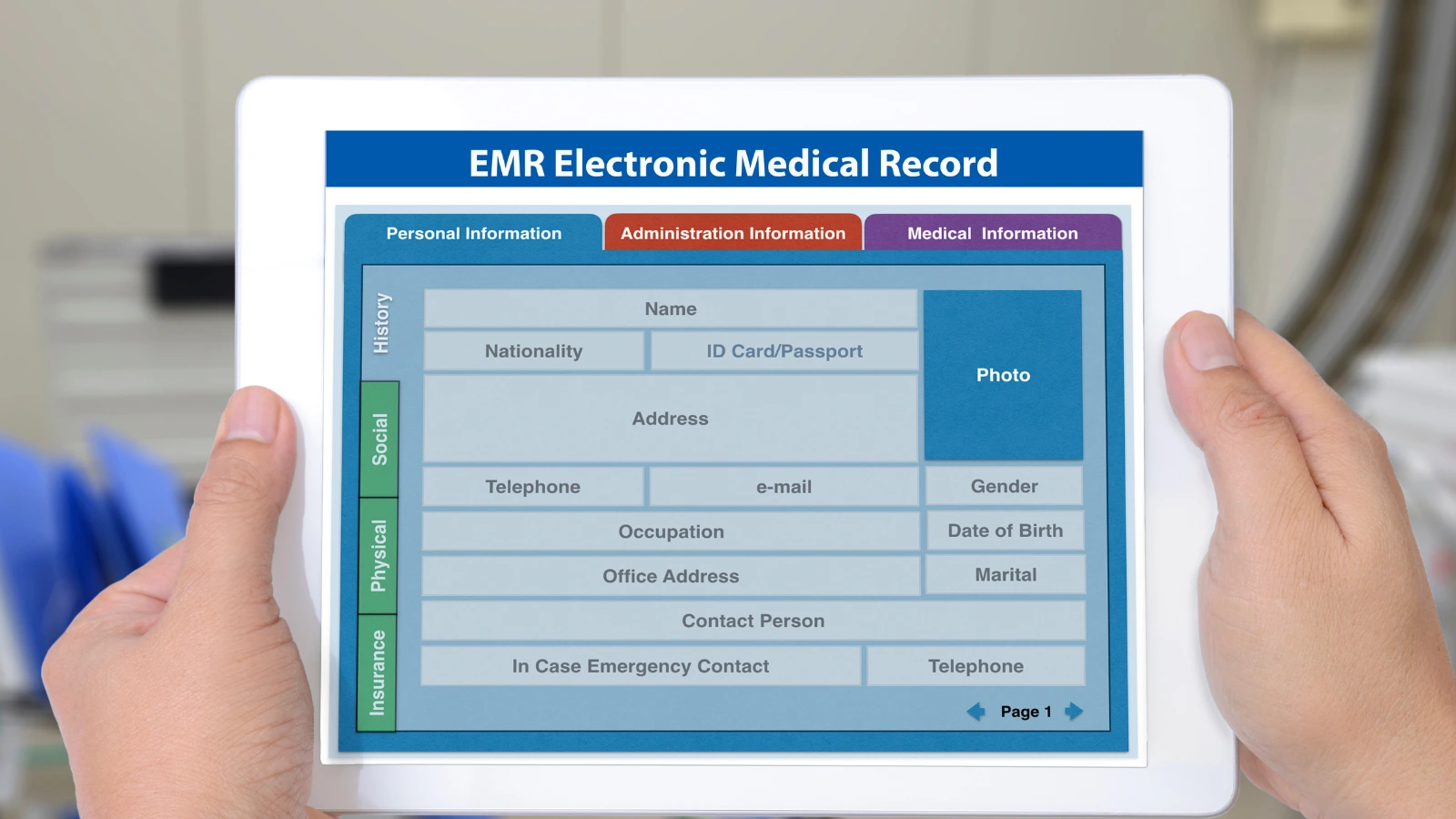
Healthcare data is among the most sensitive types of information because it encompasses everything from personal details to in-depth medical histories. As AI solutions collect, process, and analyze this information, the risk of data breaches or unauthorized access becomes more prevalent. Even with anonymized datasets, re-identification risks persist, particularly in complex AI models that aggregate and compare patient data.
Data-sharing across institutions and third-party developers introduces even more points of entry for potential attacks. Overcoming this challenge requires developing AI software that prioritizes privacy by design — emphasizing strong encryption, secure data-transmission practices, and developers that adhere to stringent privacy protocols throughout the system’s lifecycle. Techniques like differential privacy and federated learning are becoming increasingly important to balance data utility with privacy.

Regulatory Compliance
Because of the data sensitivity mentioned above, healthcare is one of the most heavily regulated industries with strict laws governing patient data and its usage. HIPAA in the U.S. and GDPR in the EU are designed to protect patient information, but the introduction of AI complicates compliance. AI systems often rely on large, often international, datasets that may involve data moving across regulatory borders.
Auditing AI systems, especially those involving real-time monitoring models that learn over time, requires a more rigorous and transparent process to meet healthcare regulations. Without clear regulatory standards specifically created for AI, there’s an ongoing risk of non-compliance. This can result in hefty fines, loss of trust, and (in extreme cases) criminal charges. Developers need to implement audit trails, consent management systems, and mechanisms for data portability and the right to be forgotten.

Vulnerabilities to External Threats
New systems create new opportunities for external threats. AI can be tampered with techniques like adversarial attacks, where malicious actors alter input data to “trick” the model into making incorrect predictions. Other methods include model poisoning and data injection. In healthcare, this could lead to incorrect diagnoses or treatment recommendations. AI systems are inherently complex and require vast data pipelines, which expand the attack surface — potentially exposing patient data to hacking or tampering during the transmission, processing, or storage stages.
Security measures like advanced encryption, secure data transfer protocols, and constant monitoring are critical for mitigating these threats. The development phase is particularly crucial, with secure coding practices and penetration testing needed to identify and mitigate vulnerabilities before deployment.
Reasoning Transparency
One of the greatest challenges with AI in general is the “black box” problem. These models, especially deep learning systems, can make highly accurate predictions but often without explaining how they arrived at their conclusions. This lack of transparency can be dangerous in healthcare, where decisions about a patient’s treatment must be well-understood and justified.
The development of health service systems must prioritize explainable AI (XAI), which allows healthcare professionals to understand and trust the model’s reasoning. Without transparency, it’s difficult to verify that the AI’s decisions align with clinical best practices or that biases don’t skew patient outcomes.
Training Bias
Speaking of bias, training data is the foundation of AI systems — and in healthcare, bias in this data can have life-altering consequences. If AI models are trained on datasets that do not accurately represent the diversity of the patient population, they risk reinforcing existing health disparities. For example, a diagnostic tool trained predominantly on data from one demographic group may perform poorly for patients outside of that group, leading to misdiagnoses or unequal treatment.
Addressing bias requires a more inclusive approach to data collection and model training. Developers should actively seek diverse datasets and implement fairness-aware algorithms that can adjust for bias so health services provide equitable care for all patients.
Avoiding These Pitfalls
To overcome these challenges and avoid potential pitfalls, a multi-faceted approach with privacy and security at its core is necessary. First, we must all adopt privacy-first principles so patient data is protected through every stages of the software development lifecycle. Regulatory bodies also need to establish clear, AI-specific guidelines that address both data privacy and cross-border data management to clear up current confusion.
Healthcare organizations should invest heavily in cybersecurity practices, with continuous monitoring and AI-driven threat detection playing key roles in safeguarding sensitive information. As mentioned with “black box” AI, we also need explainable AI systems that build trust by offering clear, understandable reasoning for their decisions. Lastly, addressing bias in AI requires collaboration between developers, healthcare providers, and regulatory bodies for training data that is diverse and representative to account for potential disparities.
The path forward is challenging, but we’ve seen how impactful the potential benefits are. If we address these security and privacy concerns head-on, health services will be more precise, personalized, and accessible for all. The key lies not in slowing innovation, but in ensuring that our technological progress is matched by equally comprehensive safeguards and ethical considerations.