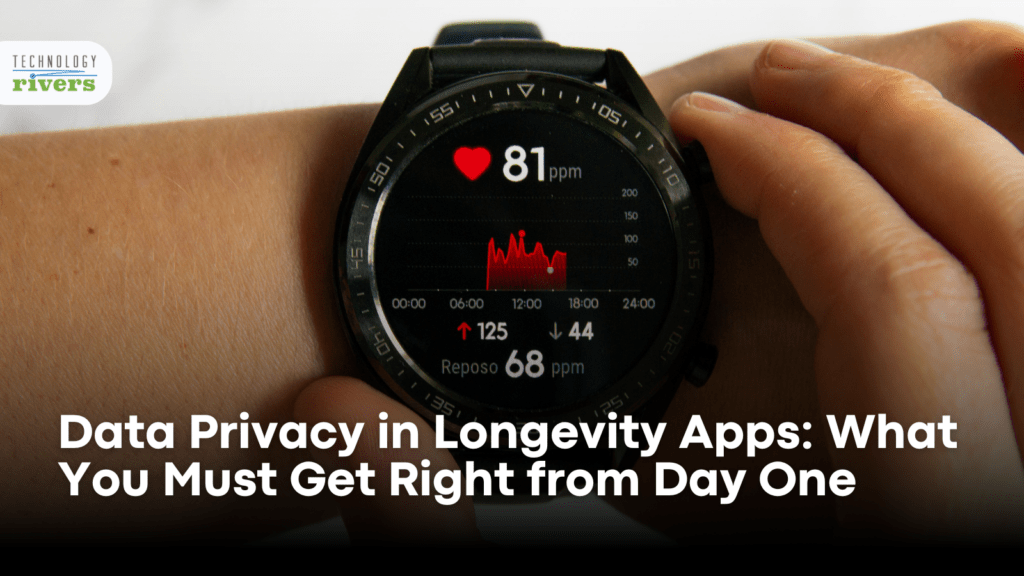
The product roadmap looked exciting: wearable syncing, biomarker tracking, symptom logging, supplement routines, sleep data, and personalized longevity insights. Then the privacy questions started. Who can access all of that data? How long will you keep it? What happens when users want it deleted? Does HIPAA apply, or does something else? That is why data privacy in longevity apps has to be treated as a product decision from day one, not a legal cleanup task after launch.
Longevity apps often combine multiple categories of sensitive information into one profile, and that aggregation changes the risk. Even when an app starts in the consumer wellness space, it may still handle health, biometric, or inferred health data in ways that trigger high user expectations, contractual obligations, or stricter legal requirements in some markets. HHS makes clear that HIPAA applies when an app developer is acting for a covered entity or business associate, not simply because the app handles health-related data. At the same time, the GDPR treats health, genetic, and some biometric data as special categories that require stronger protection and a valid legal basis for processing.
That distinction is exactly where founders get into trouble. They assume “not fully regulated yet” means “low risk.” It does not. Privacy failures in a longevity app can damage trust long before regulators, partners, or enterprise buyers step in. That is why the architecture should be shaped early, especially when the app blends wearables, labs, behavior, and aggregated health records into one user view.
Why is data privacy important in longevity apps?
Data privacy and building trust in longevity apps is important because these products often combine wearable, biometric, behavioral, and health-related data into highly sensitive user profiles. Protecting that information requires strong consent controls, secure architecture, access management, and compliance-aware data handling practices.
Why Data Privacy in Longevity Apps Is More Complex Than It Looks
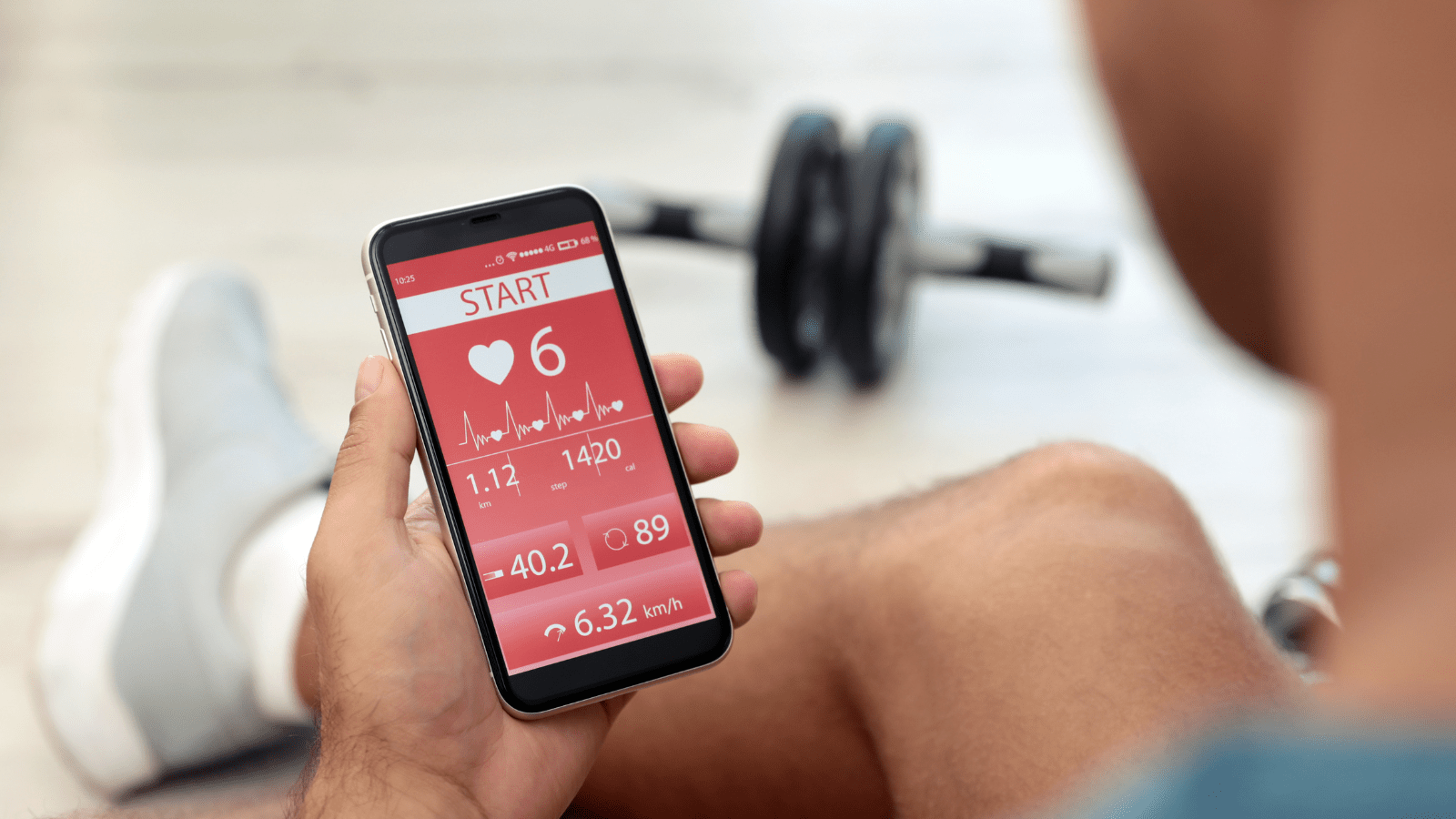
A meditation app and a longevity app may both look “consumer health” on the surface, but the privacy profile is not the same. Longevity products often combine step counts, heart rate, sleep, lab values, medication or supplement routines, symptoms, nutrition, and self-reported habits into a single model of the user. That means the privacy risk often comes from the combination, not just from any one field.
This is where founders underestimate exposure. Sleep data alone may feel harmless. A supplement list may feel harmless. Biomarkers may feel manageable. But once those inputs are merged into one persistent profile, the app can reveal much more than the user may expect, including patterns about illness, fertility, recovery, metabolic health, or future health risks. Under the GDPR, data concerning health is a special category of personal data, and biometric or genetic data can fall under stricter treatment as well.
Our blog on how to build a health data aggregator app is directly relevant to longevity apps. As soon as the product starts pulling information from wearables, questionnaires, labs, or third-party platforms, the privacy problem becomes an integration problem too.
What Data Makes Longevity Apps So Sensitive
The first obvious category is biometric and wearable data. Heart rate, HRV, sleep cycles, oxygen saturation, activity, body temperature, and recovery trends can feel routine to product teams because wearables make them look familiar. But familiar does not mean low sensitivity. In the wrong context, those signals can imply conditions, vulnerabilities, or long-term health patterns users would never want exposed.
The second category is lab and diagnostic data. Blood panels, hormone markers, glucose trends, cholesterol, inflammation markers, biological age estimates, and test results move the app much closer to sensitive health territory. Even if the app is not yet part of a clinical workflow, users will often interpret this data as medically meaningful.
The third category is behavior and lifestyle data. Nutrition logs, supplement adherence, sleep habits, exercise patterns, stress, alcohol use, menstrual data, and symptom tracking can become highly revealing when stored over time. The privacy risk grows further when the app creates inferred insights from these inputs instead of just storing raw data.
The fourth category is aggregated profile data. A longevity app that combines wearable signals, lab markers, and habits may know more about the user than any one source alone. That is why how to ensure data privacy and security in healthcare app development starts with architecture and access control, not just privacy policy language.
Where Founders Get Privacy Wrong Early
The first mistake is collecting more data than the product actually needs. Founders often think broader collection creates future optionality. In practice, it creates bigger retention burdens, broader consent problems, and more exposure if something goes wrong. Privacy-by-design usually starts with minimization, not accumulation.
The second mistake is vague consent. If the app asks users to agree to broad data use without explaining what will be collected, why it is needed, what will be shared, and what control the user keeps, the product creates trust debt immediately. This becomes even more important in international contexts, where GDPR-style expectations around consent, purpose limitation, and data rights are stricter than many U.S. consumer apps anticipate. HIPAA vs GDPR in health data apps for founders scaling internationally is useful here because the design implications show up in product flows, not just legal review.
The third mistake is assuming encryption solves privacy. Encryption is necessary, but it does not answer who inside the system can view data, how vendors handle it, whether exports are controlled, or how long the app keeps it. HHS’s Security Rule focuses on administrative, physical, and technical safeguards because protecting health-related data requires more than secure storage alone.
The fourth mistake is delaying retention and deletion planning. Teams often design collection before they design expiration. That creates a messy cleanup problem later, especially when users, partners, or regulators ask what data is still held and why.
When HIPAA Applies, and When It Does Not
HIPAA is important, but many founders misunderstand when it actually applies. HHS’s health app guidance explains that an app developer may be subject to HIPAA when acting on behalf of a covered entity or business associate, such as a provider or health plan. If a longevity app operates independently in the consumer market, HIPAA may not apply at first in the same way it would for a provider-connected platform.
That does not mean privacy risk is low. It means founders need a more accurate framework. If the app later connects to providers, integrates clinical workflows, stores PHI on behalf of regulated entities, or becomes part of care delivery, the privacy posture may need to change substantially. A product that begins as “wellness” can move into a much more sensitive category as soon as it ties into real healthcare operations.
This is one reason the HIPAA-compliant mobile and web app development checklist can still be valuable even for teams that are not fully inside HIPAA on day one. Building stronger safeguards early is often cheaper than retrofitting them later.
GDPR, Global Users, and Why Jurisdiction Still Matters
Many longevity products aim for broad, digital-first adoption, which means U.S.-only thinking is risky. Under the GDPR, health data and some biometric or genetic data are special categories of personal data. That means processing is generally prohibited unless an exception applies, such as explicit consent or another valid basis under the regulation. That is a much stricter starting point than many founders assume.
This has practical consequences for product design. Consent flows need to be more granular. Data access and deletion need to be operationally possible, not just theoretically available. Purpose limitation needs to be clear. Global growth makes privacy architecture more demanding long before the company thinks of itself as “regulated healthcare.”
This is exactly why HIPAA vs GDPR in health data apps for founders scaling internationally should influence roadmap decisions early. Cross-border growth does not just create more users. It creates more privacy obligations.

What Privacy by Design Looks Like in a Longevity App
Privacy by design starts with data minimization. Do not collect ten categories of signals if three will support the first release. Limit scope to what the user can understand and what the product can protect well.
Next comes granular consent and control. Users should be able to understand what is collected, what is optional, what is shared, and how to revoke or limit certain data flows. In longevity products, where users may connect wearables, labs, and questionnaires over time, consent should match that modular reality rather than hide everything behind one broad acceptance screen.
Then comes access control and auditability. Not every admin, support user, analyst, or system process should see the same information. Role-based boundaries, logging, and controlled exports are part of privacy, not just enterprise ops. HHS’s Security Rule guidance supports this broader safeguard model.
Secure integrations are next. If the app pulls from devices, labs, or third-party services, each new connection expands the privacy surface area. Every new data source is also a new governance problem.
Finally, plan retention, deletion, and export from the start. A privacy-first product knows what it keeps, why it keeps it, how long it keeps it, and what happens when the user leaves.
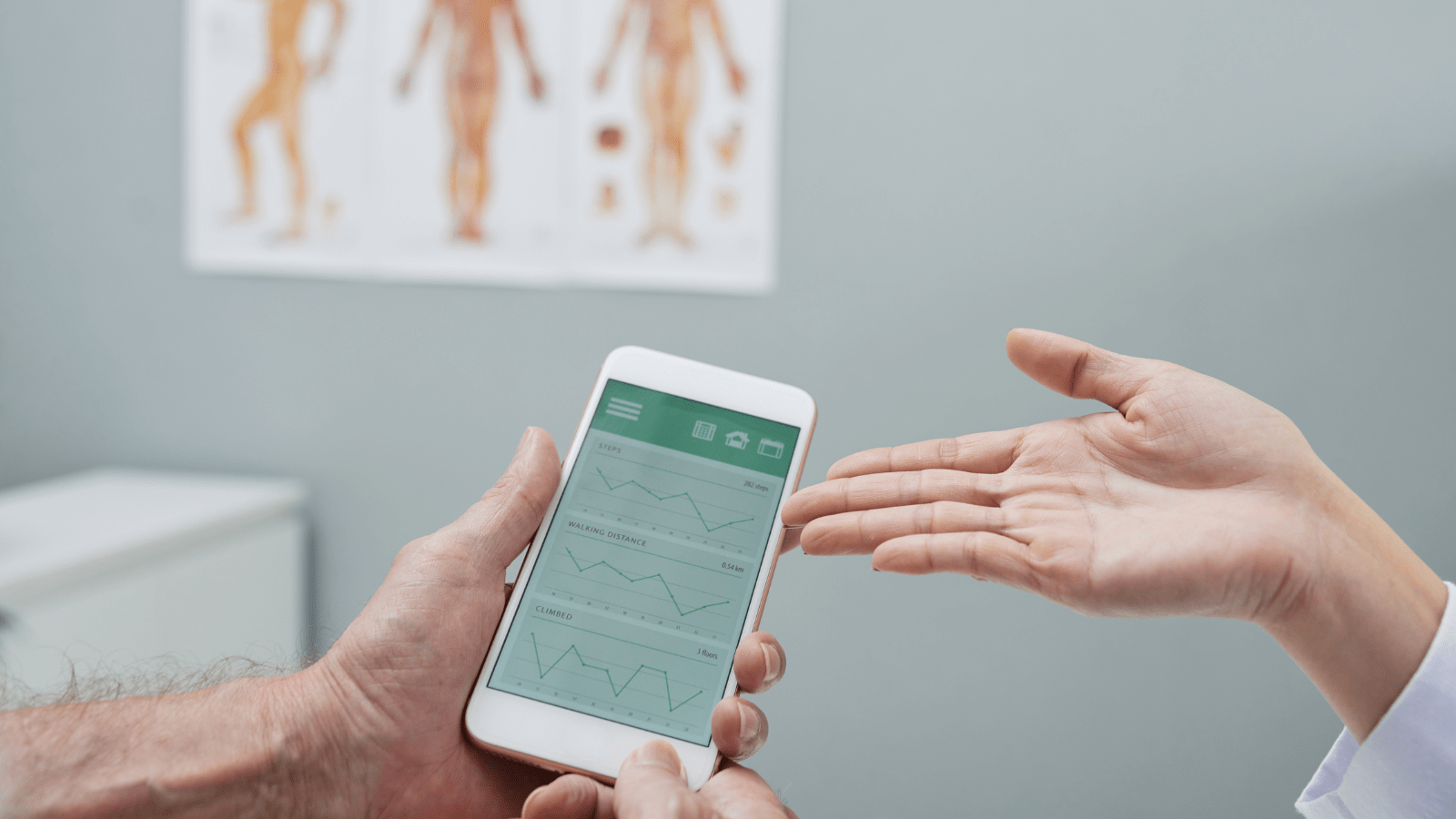
How Data Aggregation Increases Privacy Risk
Longevity apps often become aggregation engines without fully recognizing it. A wearable feed by itself is one thing. A biomarker panel by itself is another. A daily journal by itself may seem harmless. But once the app merges them, the system can infer deeply personal health patterns from the combination.
That is why aggregation should be treated as a major architecture decision, not a feature add-on. The more sources the app combines, the more carefully teams need to think about permissioning, purpose limitation, user expectations, and downstream use. Ensuring data privacy and security in healthcare app development becomes especially important at this point because secure data handling gets harder as products become more connected.
The business risk is real too. Healthcare remains one of the most expensive sectors for breach impact, with breach-cost reporting continuing to put the industry at the top of the list. Even when a longevity app is not a hospital system, it is still operating in a trust-sensitive environment where a privacy failure can destroy product adoption.
Final Thoughts
Longevity apps win trust or lose it long before they reach scale. The problem is not just whether HIPAA applies on day one. The real question is whether the product treats sensitive data with the discipline users expect once wearables, biomarkers, health logs, and inferred insights start accumulating in one place.
That is why data privacy in longevity apps has to be built into the architecture from the first release. Minimize what you collect. Make consent clear. Control access tightly. Plan retention and deletion early. Treat aggregation as a major privacy decision, not just a product enhancement.
Have an idea for a longevity app? Discuss your privacy-first health app strategy with our team by booking a free consultation.