Healthcare technology is moving fast, and staying on top of the latest trends is more important than ever. Whether you’re a healthcare provider, a developer, or a stakeholder, knowing what’s coming next can help you deliver better care and keep a competitive edge.
A recent report from McKinsey shows that the healthcare software market is expected to grow by 12% annually, thanks to new advances in AI and telemedicine, according to industry reports. This rapid growth highlights the need to keep up with the latest tech developments.
In this piece, we’ll look at the top trends in healthcare software development for 2025. These trends include artificial intelligence, telemedicine, blockchain for data security, interoperability, wearable health tech, regulatory compliance, patient engagement, and personalized medicine via genomics, extended reality (XR) technologies, and the integration of AI in drug discovery. Each trend brings unique benefits and opportunities, helping shape the future of healthcare.
Let’s take a closer look at these exciting trends and see how they’re setting the stage for the future of healthcare software.

1. Artificial Intelligence and Machine Learning
Artificial Intelligence (AI) and Machine Learning (ML) are revolutionizing healthcare in ways we couldn’t have imagined a few years ago. A study by Accenture estimates that AI applications in healthcare could save the US healthcare economy up to $150 billion annually by 2026, according to Accenture’s research. This staggering number shows just how impactful these technologies can be.
So, what are some real-world applications of AI and ML in healthcare? One major area is predictive analytics. By analyzing large amounts of data, AI can predict patient outcomes and help healthcare providers make better decisions. For instance, hospitals use AI to identify patients at risk of complications, allowing for early interventions that can save lives.
Another exciting application is in personalized treatment plans. AI can analyze a patient’s medical history, genetic information, and other data to create a treatment plan tailored specifically to them. This personalized approach can lead to better patient outcomes and more efficient use of healthcare resources.
AI-powered diagnostic tools are also making waves. These tools can analyze medical images, such as X-rays and MRIs, with remarkable accuracy. They help doctors diagnose conditions faster and more accurately, which is especially important in time-sensitive situations.
Overall, AI and ML are not just buzzwords — they are practical tools that are improving efficiency, accuracy, and patient outcomes in healthcare. By embracing these technologies, healthcare providers can offer better care and make smarter decisions, ultimately benefiting patients and the entire healthcare system.
2. Telemedicine and Remote Patient Monitoring
Telemedicine has seen an incredible rise, especially during the COVID-19 pandemic. According to a report by Frost & Sullivan, the use of telemedicine surged by over 150% during this period. This huge increase highlights how essential and effective remote healthcare can be.
Advancements in technology have made telemedicine possible. Video conferencing, remote monitoring devices, and secure communication platforms are now widely used for remote consultations. These tools allow doctors to see and talk to patients, monitor their health, and communicate securely, all without being in the same room.
The impact of telemedicine is significant. First, it improves access to care. Patients in remote areas or those who have trouble traveling can now get medical advice and treatment from their homes. This is especially helpful for elderly patients or those with chronic conditions who need regular check-ups.
Telemedicine also helps reduce patient no-show rates. When patients can attend appointments from their own homes, they are less likely to miss them. This leads to more consistent care and better health outcomes.
Additionally, telemedicine makes things more convenient for both patients and healthcare providers. Patients save time and money by not having to travel to appointments, and doctors can see more patients in less time. This efficiency benefits everyone and helps the healthcare system run more smoothly.
Overall, the growth and advancements in telemedicine are making healthcare more accessible, efficient, and convenient. As these technologies continue to develop, telemedicine is set to become an even more important part of healthcare.

3. Blockchain for Health Data Security
Data security is a major concern in healthcare. Data breaches are not only costly but can also damage trust between patients and providers. This is where blockchain technology comes in. Blockchain offers a secure way to manage patient data, making it much harder for unauthorized parties to access or tamper with information.
A Deloitte survey found that over half of healthcare executives plan to implement blockchain for data security over the next few years. This shows a growing recognition of blockchain’s potential to protect sensitive health data.
Dr. John D. Halamka, President of the Mayo Clinic Platform and a recognized leader in healthcare IT, states, “While blockchain alone won’t solve every healthcare challenge, it can significantly strengthen data security and trust, helping to create an immutable record that serves both patients and providers.” This means that blockchain not only keeps data secure but also ensures that it is transparent and can be tracked. Every change or access to the data is recorded, creating a clear and unchangeable history.
By using blockchain, healthcare providers can significantly reduce the risk of data breaches. This technology ensures that patient information is kept safe and private, building trust and confidence in the healthcare system. As more healthcare organizations adopt blockchain, we can expect to see a stronger, more secure way of handling patient data.
4. Interoperability and Integration
One of the big challenges in healthcare today is the fragmentation of health IT systems. When systems don’t talk to each other, it hinders efficient healthcare delivery. This lack of communication can lead to errors, delays, and frustration for both patients and healthcare providers.
Efforts like the Fast Healthcare Interoperability Resources (FHIR) standard are aiming to solve this problem. FHIR is designed to improve the integration of different health IT systems, allowing them to share data seamlessly. This means that a patient’s health information can be easily accessed and updated by any healthcare provider, no matter what system they use.
The benefits of integrated systems are huge. First and foremost, they enhance patient care. When healthcare providers have complete and up-to-date information about a patient, they can make better-informed decisions. This leads to better outcomes and a higher quality of care.
Integrated systems also streamline operations. They reduce the need for redundant tests and procedures, saving time and resources. Additionally, they can significantly cut down on administrative burdens. Instead of spending time chasing down information, healthcare workers can focus on what they do best: taking care of patients.
In short, interoperability and integration are key to a more efficient and effective healthcare system. By adopting standards like FHIR and continuing to push for better integration, the healthcare industry can overcome the challenges of fragmented systems and provide better care for everyone.
5. Wearable Health Technology
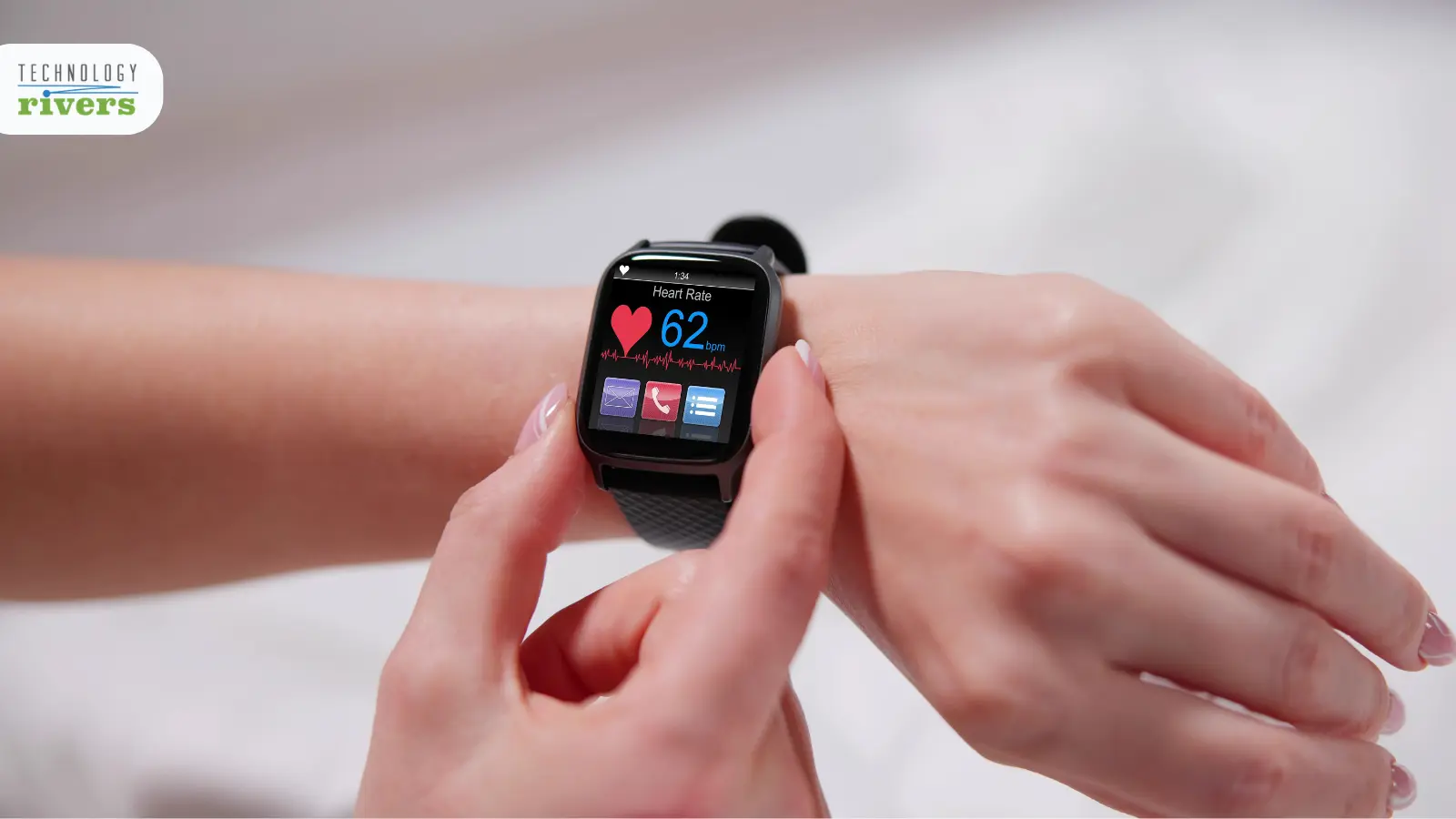
Wearable devices, like smartwatches and fitness trackers, are becoming more and more popular in healthcare. These gadgets do more than just count steps; they can monitor heart rates, track sleep patterns, and even measure blood oxygen levels. The growing interest in these devices shows how people are taking a more active role in their health.
Healthcare software is key to making the most of the data collected by wearables. This software gathers, analyzes, and integrates data from these devices, providing valuable insights for both patients and healthcare providers. For example, a smartwatch can alert a user to irregular heart rhythms, and the healthcare software can then analyze this data and share it with a doctor for further review.
The impact of wearables on health is significant. They help with continuous health monitoring, which means potential health issues can be spotted early. Early detection can lead to quicker interventions and better management of chronic conditions. Additionally, wearables encourage healthier lifestyles by motivating users to stay active and maintain good habits.
In short, wearable health technology is changing how we monitor and manage our health. By integrating these devices with advanced healthcare software, we can gain a better understanding of our health and take steps to improve it. As this technology continues to develop, its role in healthcare will only become more important.
6. Regulatory Compliance and Data Privacy
Making sure healthcare apps comply with regulations like HIPAA is absolutely vital. It’s all about protecting patient data and avoiding legal headaches. When patient information isn’t handled properly, it can lead to serious trust issues and hefty fines for healthcare providers.
Looking ahead to 2025, we can expect some new regulations and updates in data privacy laws. These changes aim to strengthen data protection and address the growing concerns about privacy in our increasingly digital world. Keeping up with these changes is crucial for anyone involved in healthcare software development.
So, what are the best practices for staying compliant? First, adopting robust security measures is a must. This includes encryption, secure data storage, and regular security audits. It’s also important to have clear policies and procedures for handling patient data.
Staying informed about regulatory changes is another key step. Regular training and updates for your team can help make sure everyone is on the same page and following the latest guidelines.
In short, compliance and data privacy are not just about following the rules — they’re about building trust and ensuring the safety of patient information. By staying on top of regulatory changes and implementing strong security practices, healthcare providers can protect their patients and their businesses.
7. Patient Engagement and User Experience
Improving patient engagement and user experience (UX) is becoming a top priority for healthcare apps. When patients find an app easy to use and engaging, they are more likely to stick with it and make the most of its features.
Creating a user-friendly interface is key. This means designing apps that are intuitive and simple to navigate. No one wants to struggle with a complicated app when they’re trying to manage their health. Personalized health information is another important feature. When patients receive information tailored to their specific needs, it makes the app much more relevant and useful to them.
Easy communication channels also play a big role. Features like in-app messaging or video calls with healthcare providers make it easier for patients to get the help they need quickly. This can lead to faster responses and better care.
The benefits of focusing on UX are clear. Better UX leads to higher patient satisfaction, as users are more likely to have a positive experience with the app. This satisfaction can improve health outcomes, as engaged patients are more likely to follow through with treatments and stay on top of their health. Additionally, apps with great UX tend to see increased usage, as satisfied users are more likely to continue using the app and recommend it to others.
In short, prioritizing patient engagement and user experience is essential for the success of healthcare apps. By focusing on user-friendly design, personalized information, and easy communication, healthcare apps can improve patient satisfaction and outcomes, ultimately leading to a healthier and more engaged user base.
8. Personalized Medicine via Genomics
Personalized medicine is no longer a futuristic concept — it’s happening now, thanks to advancements in genomics. By analyzing a patient’s genetic profile, healthcare providers can tailor treatments to the individual, creating precision care that delivers better results.
How does this work? New healthcare software uses genetic information to spot health problems, estimate risks, and predict how patients will respond to treatments. For example, pharmacogenomics use this information to determine the right medication and dosage for each person, reducing side effects and improving outcomes.
The impact of genomics-driven healthcare is profound. It not only enhances treatment effectiveness but also opens doors for early disease detection and preventive care. Patients with a genetic predisposition to conditions like diabetes or cancer can take steps to manage their health long before symptoms appear.
As genomic sequencing becomes more affordable, personalized medicine is poised to revolutionize how we approach healthcare. From targeted cancer therapies to precision drug prescriptions, this trend is transforming medicine into a truly individualized experience.
9. Extended Reality (XR) Technologies
Extended Reality (XR), which includes Augmented Reality (AR) and Virtual Reality (VR), is changing how healthcare professionals train, plan, and treat patients. These immersive technologies are bridging gaps in medical education and enhancing patient care.
In medical training, VR simulations allow surgeons to practice complex procedures in a risk-free environment. Similarly, AR overlays help surgeons visualize critical anatomical structures during operations, improving precision and safety. These tools are also being used in rehabilitation, where gamified XR experiences engage patients and accelerate recovery.
One standout example is the use of VR for pain management. Studies show that virtual reality experiences can distract patients from acute and chronic pain, reducing the need for medication. This has applications in everything from burn treatments to physical therapy.
The rise of portable, cost-effective XR devices is making these tools more accessible, and their integration into everyday healthcare is only growing. Whether it’s training the next generation of surgeons or transforming how patients recover, XR is setting new standards for innovation in medicine.
10. Integration of AI in Drug Discovery
The process of developing new drugs is notoriously slow and expensive, but AI is changing that. By harnessing the power of machine learning and advanced analytics, AI accelerates drug discovery, cutting timelines and uncovering opportunities that were once out of reach.
One of AI’s key contributions is in target identification. By analyzing biological data, AI can pinpoint disease mechanisms and potential drug targets faster than traditional methods. It’s also being used to repurpose existing drugs, identifying new uses for them and fast-tracking their approval.
AI doesn’t stop at discovery — it plays a critical role in preclinical testing. Virtual simulations predict how a drug will interact with the body, reducing the need for costly and time-consuming lab tests. This efficiency helps bring life-saving medications to market faster.
The benefits are obvious: AI reduces costs, improves accuracy, and opens doors for treatments in areas that have long been neglected, like rare diseases. As more pharmaceutical companies adopt AI-driven platforms, the drug discovery process will continue to develop, bringing us closer to faster, more effective cures.

Focus on Your Future
Trends like AI, telemedicine, blockchain, interoperability, wearable technology, regulatory compliance, and patient engagement are shaping the future of healthcare software. Each of these advancements offers unique benefits, transforming how healthcare is delivered and experienced.
As we look ahead, these technologies will keep evolving, bringing more innovations and improvements to healthcare. AI will get smarter, telemedicine will become more widespread, and blockchain will set new standards for data security. Interoperability will make systems work better together, wearables will give more personalized health insights, and focusing on UX will keep patients engaged and happy.
Interested in integrating these cutting-edge trends into your healthcare solutions? Book a call with us today to see how we can help you stay ahead and deliver outstanding care.
For regular updates and insights on industry trends, follow our founder and CEO, Ghazenfer Mansoor, on LinkedIn.