
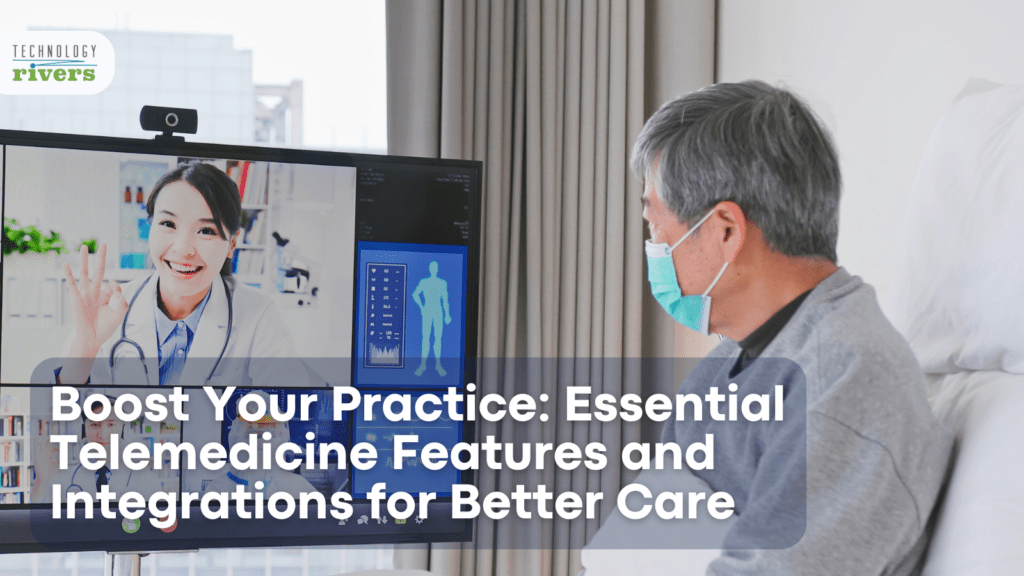
Telemedicine is revolutionizing healthcare by providing patients with easy access to the care they need. From quick home consultations to managing chronic conditions, telemedicine offers a convenient, efficient way to deliver high-quality care.
By connecting patients and providers seamlessly, telemedicine ensures everyone can access top-notch healthcare.
The telehealth market is projected to reach $559.52 billion by 2027, reflecting its growing importance in our lives.
In this blog, we will delve into the key features, essential integrations, and practical use cases of telemedicine software. Our aim is to help healthcare providers understand what makes telemedicine effective and how to select the right software for their needs.
Read on to discover how these features and integrations can transform your practice and enhance patient outcomes.
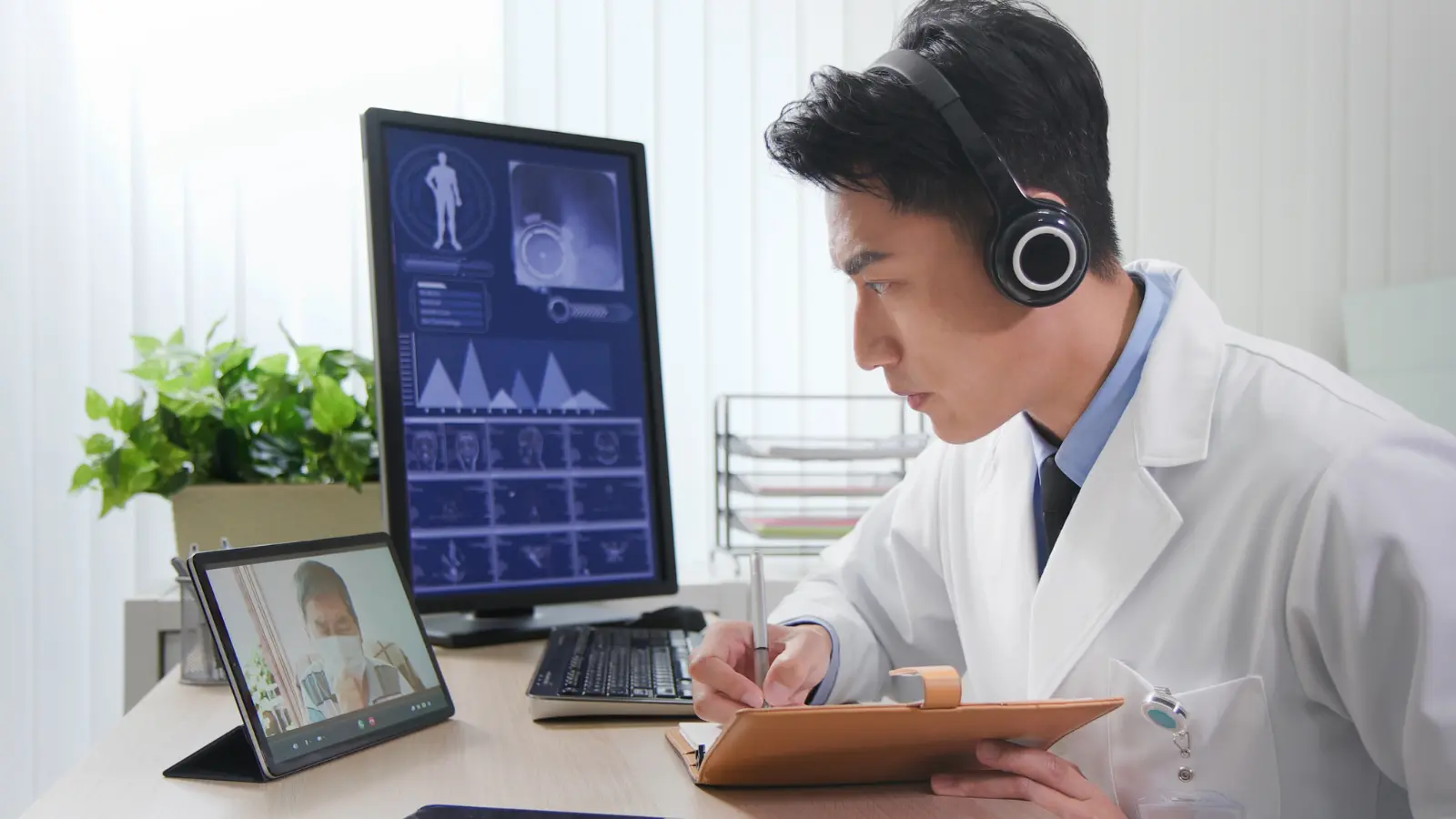
Essential Telemedicine Software Features
1. HD Video Calls
High-quality video is crucial for any telemedicine app, ensuring clear and detailed visual communication between patients and healthcare providers. Incorporating HD video calls allows your app to offer an experience that closely mimics in-person consultations, enhancing the quality of care and patient satisfaction. With HD video, both patients and providers feel more connected and confident in the care process, making your app stand out in the competitive telehealth market.
2. Backup Audio Communication
When video fails, having a reliable backup is essential. Integrating audio communication ensures that consultations continue seamlessly, maintaining uninterrupted communication. This feature demonstrates your commitment to providing a dependable telemedicine solution that keeps the lines of communication open, ensuring patients always have access to their healthcare providers, even if video issues arise.
3. Text Messaging
Secure text messaging offers asynchronous communication, allowing patients and doctors to exchange information without needing to schedule a call. Ideal for non-urgent matters, this feature lets patients reach out at their convenience and receive timely responses. Imagine your telemedicine app enabling patients to send secure messages anytime, enhancing their experience and keeping them engaged.
4. Store & Forward Data Exchange
This feature supports the asynchronous transfer of medical data, such as images and test results, for later review by healthcare providers. By facilitating collaboration and detailed analysis, store and forward capabilities ensure medical teams have comprehensive information to make informed decisions. Supporting thorough and accurate patient care demonstrates your commitment to high-quality healthcare delivery.
5. Visit Notes Templates
Pre-configured visit notes templates streamline the documentation process during patient visits. This feature simplifies administrative tasks, allowing healthcare providers to focus more on patient care and less on paperwork. Ensuring thorough and consistent patient records boosts providers’ confidence in their documentation accuracy, making your app an essential tool for efficient healthcare management.
6. Patient Portals
Secure patient portals give patients access to their medical records and essential services. Empowering patients with control over their health information makes managing their care easier. Imagine your telemedicine app providing patients with all their medical information at their fingertips, enhancing their engagement and satisfaction.
7. Regulatory Compliance
Meeting all legal standards and regulations is critical for telemedicine software. Compliance features protect patient data and build trust by adhering to industry standards. Show your commitment to security and trust by demonstrating adherence to regulatory requirements, making your app a trusted choice for healthcare providers.
By integrating these essential features, your custom telemedicine app will not only meet but exceed the expectations of healthcare providers and patients, establishing itself as a leader in the telehealth industry.
Advanced Capabilities for Telemedicine Software
Integrating advanced capabilities into your custom telemedicine app can significantly elevate its functionality and appeal. Here’s how you can enhance your app with cutting-edge features:
1. Virtual Reality (VR) Features
Incorporating VR into your telemedicine app can create immersive environments for therapy and rehabilitation. This innovative feature enhances patient engagement and treatment efficacy by making therapy sessions more interactive and effective. By offering VR capabilities, your app positions itself as a premium, cutting-edge solution that stands out in the competitive healthcare market, attracting users who seek advanced and effective therapeutic options.
2. Computer Vision Algorithms
Utilize advanced computer vision technology for the automated analysis of medical images and videos. This feature supports more accurate diagnoses by providing clinicians with additional data and insights. By leveraging such advanced technology, your app enhances professional judgment and diagnostic accuracy, making it an invaluable tool for healthcare providers who require precise and detailed medical data.
3. Chatbots
Integrate AI-powered chatbots into your telemedicine app to provide 24/7 assistance to patients. This feature ensures immediate responses to patient queries, greatly improving accessibility and responsiveness. By addressing concerns about accessibility and providing round-the-clock service, your app ensures patients feel supported at all times, enhancing user satisfaction and trust.
4. AI-Powered Clinical Decision Support
Implement real-time AI suggestions and alerts for clinicians to offer personalized and precise patient care. This advanced feature provides valuable insights and recommendations, improving the overall quality of care. Demonstrating your commitment to advanced patient care with AI-powered clinical decision support solidifies your app’s reputation as a cutting-edge healthcare solution, appealing to providers who prioritize innovation and excellence in patient care.
By integrating these advanced capabilities into your custom telemedicine app, you can significantly elevate its functionality and appeal, making it an indispensable tool for modern healthcare providers. This approach ensures your app stands out in a competitive market, attracting more users and driving better healthcare outcomes.

Valuable Telemedicine Integrations
1. EHR/EMR Systems
Integrating your telemedicine app with electronic health records (EHR/EMR) is crucial for ensuring that all patient data is seamlessly connected. This integration provides healthcare providers with a comprehensive overview of a patient’s health history, enabling them to deliver more informed and coordinated care. By giving doctors immediate access to complete patient records, your app can ensure that no detail is overlooked, significantly improving care coordination.
2. Practice Management Software
Integrating practice management software with your telemedicine app simplifies administrative workflows, from scheduling appointments to managing patient records. This enhances operational efficiency, allowing healthcare providers to focus more on patient care rather than administrative tasks. Everyone is frustrated with disorganized systems, and this integration offers a solution by streamlining processes and reducing administrative chaos, making your app indispensable for healthcare practices.
3. Pharmacy Integration
Pharmacy integration allows your telemedicine app to directly transmit prescriptions to the pharmacy. This streamlines medication management, ensuring that patients receive their medications promptly without the need for physical prescription drop-offs. Demonstrate your dedication to providing complete remote care by integrating seamless prescription management, showing your commitment to consistency and reliability.
4. Lab Integration
Enabling electronic ordering of tests and retrieval of results through your telemedicine app speeds up the diagnostic process and improves accuracy. This allows for timely and precise medical decisions. Highlight the logical benefits of faster diagnostics with the emotional appeal of timely results, reassuring patients and providers that they are getting the best possible care quickly.
5. Medical Devices and Wearables
Integrating real-time health monitoring devices and wearables with your telemedicine app provides continuous and accurate health data. This helps healthcare providers monitor patients’ conditions effectively. Address the common challenge of ongoing health monitoring by offering a solution that provides real-time, reliable health data, showcasing empathy through shared misery and the practical benefits of your app.
6. Insurance Verification Systems
Simplifying the process of verifying patient insurance coverage with integrated systems reduces the administrative burden on healthcare providers and ensures that services are covered, leading to fewer billing issues. Streamline complex processes with your app, showcasing its capability to handle intricate tasks with ease and reliability, establishing authority and trust.
7. Payment Gateways
Offering multiple payment options directly through your telemedicine app increases convenience for patients and ensures faster reimbursements for healthcare providers, reducing financial delays. Solve the problem of delayed payments by providing an easy and efficient way for patients to pay, ensuring that healthcare providers receive timely payments and moving from desperation to salvation.
By integrating these key systems into your custom telemedicine app, you can significantly enhance its functionality and provide substantial value to healthcare providers and patients alike. This makes your app an indispensable tool in modern healthcare delivery, driving better outcomes and operational efficiency.

Use Cases of Telemedicine Software
Telemedicine software has revolutionized healthcare delivery by offering versatile solutions that cater to a wide range of medical needs.
Remote Patient Monitoring: One significant use case is remote patient monitoring. By continuously tracking patient vitals, telemedicine allows healthcare providers to intervene promptly, thereby improving patient outcomes.
For instance, imagine a patient with a heart condition whose vital signs are being monitored remotely. One day, the software detects an abnormal rhythm and alerts the healthcare provider, who then contacts the patient immediately to adjust their medication, preventing a potential emergency. This scenario highlights the life-saving potential of remote patient monitoring.
Chronic Disease Management: Another critical application is chronic disease management. Patients with chronic conditions, such as diabetes or hypertension, benefit immensely from regular virtual check-ins.
These check-ins ensure that their conditions are managed effectively and that any issues are addressed promptly. Understanding the daily struggles of chronic disease patients, telemedicine offers a compassionate approach that helps manage their health more effectively.
Mental Health Services: Mental health services have also been greatly enhanced by telemedicine. Virtual therapy and counseling sessions provide accessible mental health support, making it easier for individuals to seek help without the barriers of travel or stigma.
Creating a comfortable and supportive virtual environment encourages more people to open up about their mental health struggles, fostering a stronger connection between patients and therapists.
Post-Surgical Follow-Up: For patients recovering from surgery, post-surgical follow-up care can be conveniently managed through virtual consultations. This eliminates the need for frequent trips to the doctor, allowing patients to recover comfortably at home.
Imagine being able to check in with your surgeon from the comfort of your living room, discussing your recovery progress and addressing any concerns without the added stress of travel.
Emergency Care: In emergency situations, telemedicine offers immediate virtual consultations. This allows for rapid assessment and triage, ensuring that patients receive the necessary care as quickly as possible. The urgency of emergency care is addressed effectively through telemedicine, providing critical support in times of need.
Rural Healthcare: Lastly, rural healthcare has seen significant improvements with the advent of telemedicine. It bridges the gap in healthcare access for underserved areas, bringing medical expertise to regions that lack sufficient healthcare facilities. This shared goal of improving rural health outcomes unites healthcare providers and patients in a collaborative effort to enhance overall healthcare accessibility.
Case Studies
How to Plan and Develop Your Telemedicine Software
The telemedicine software market has skyrocketed since the pandemic, presenting healthcare providers with a dizzying array of ready-made solutions and custom options. This three-step guide, tailored for healthcare providers, will help you navigate these choices and select the telehealth solution that best fits your needs.
1. Assess Your Objectives & Resources
First, define what you aim to achieve with your telemedicine service. Are you offering general or specialty consultations, mental health support, wellness advice, remote physiotherapy, or another type of service? Understanding your target patients’ characteristics, such as tech-savviness, location, and age, is crucial. These factors will influence the features your telehealth solution needs.
Next, describe the expected business and clinical outcomes. Will this solution improve patient engagement, streamline operations, or enhance patient outcomes? Finally, evaluate the resources you can dedicate to developing and implementing your telemedicine app, and set a realistic budget. Knowing your financial and resource limits will help you make informed decisions.
2. Determine the Feature Set
Prioritize essential features such as compliance with HIPAA and other regional security regulations, robust video and audio conferencing tools, and user-friendly interfaces for both patients and staff. Consider additional features tailored to your specific services. For instance, if you offer teledermatology, you’ll need significant data storage for high-quality images submitted by patients.
3. Compare Different Solutions
Create a shortlist of potential software solutions based on the feature set you’ve outlined. Compare their customization and integration capabilities, pricing, and user feedback. Request demos or sign up for free trials to see each solution in action. This hands-on experience is invaluable in determining which software will best meet your needs.

How We Can Help
Choosing the right telemedicine software can transform your practice, making healthcare more accessible and efficient. This guide empowers you to select a telehealth solution that aligns with your goals and resources, enhancing patient outcomes and operational efficiency.
At Technology Rivers, we focus on developing custom telemedicine solutions tailored to your unique needs. Our expertise guarantees a solution that meets your current requirements and scales for future growth with:
➜ Custom Features: We build HIPAA-compliant telehealth platforms that integrate seamlessly with your existing systems.
➜ User-Centric Design: Our solutions are designed for both patients and healthcare providers, ensuring ease of use and efficiency.
➜ Ongoing Support: We provide continuous support and updates to ensure your telehealth services run smoothly.
We’re here to guide you every step of the way. Let’s explore together how we can implement the ideal telemedicine solution for your practice, creating a seamless and effective healthcare experience for you and your patients.