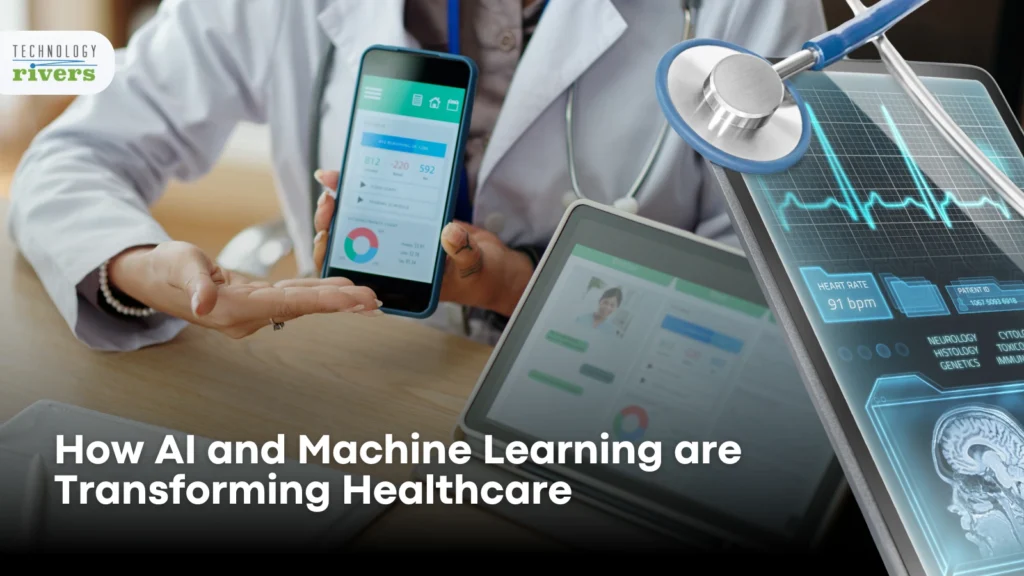
The healthcare industry is changing fast, and AI and machine learning are playing a big part. These technologies are helping doctors diagnose diseases more accurately, create personalized treatment plans, and even discover new drugs.
Imagine an AI-powered system detecting early signs of breast cancer faster than traditional methods or a machine learning model predicting a patient’s risk of complications before symptoms even appear. These are no longer futuristic ideas — they’re happening now.
In this blog, we’ll look at how AI is improving diagnostics, speeding up drug discovery, simplifying administrative tasks, and helping prevent diseases. But while AI has a lot of potential, it also brings challenges, like data privacy concerns and ethical considerations.
Here’s how AI and machine learning are changing healthcare — and what it means for the future of medicine.
Better Diagnostics
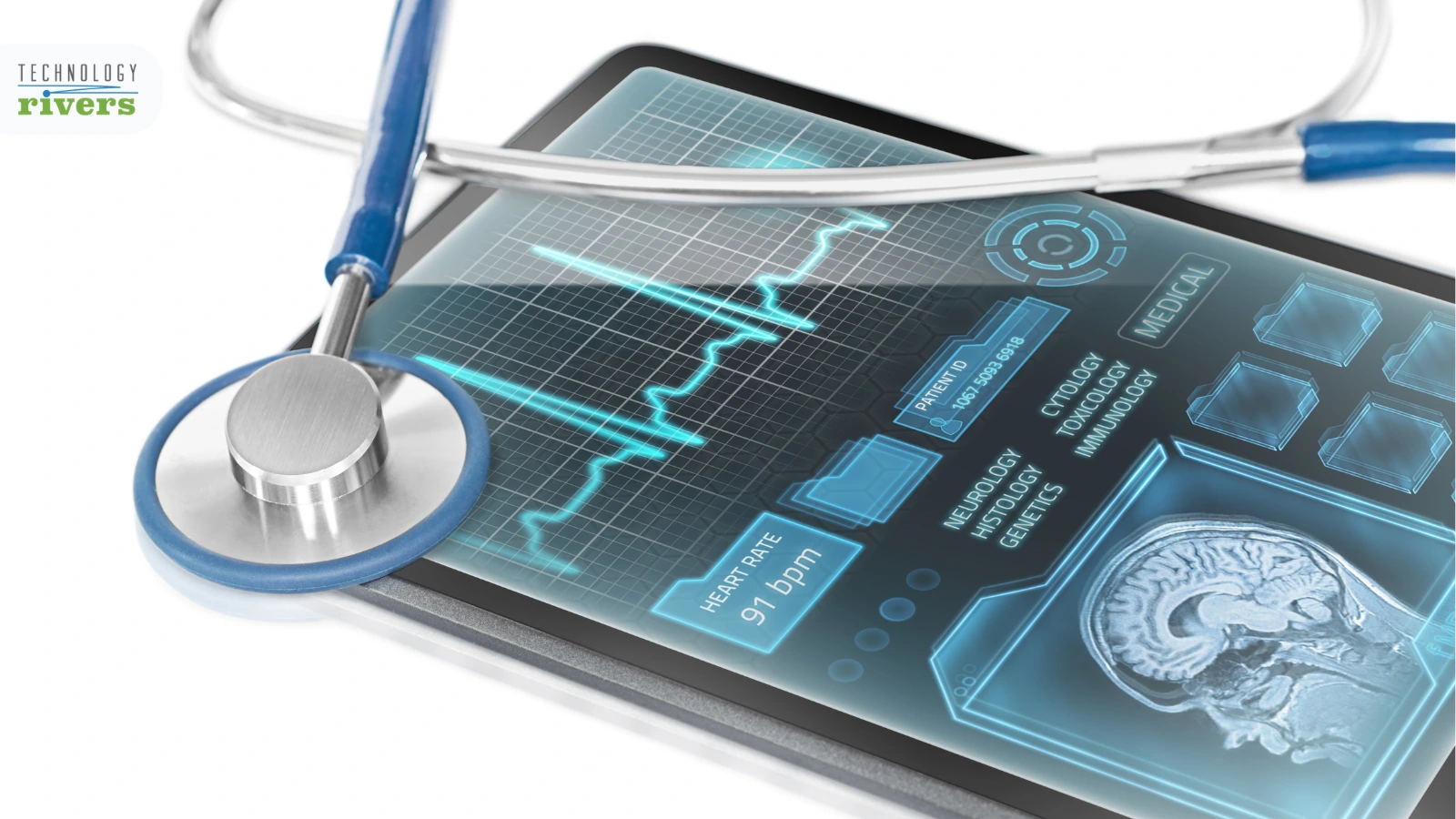
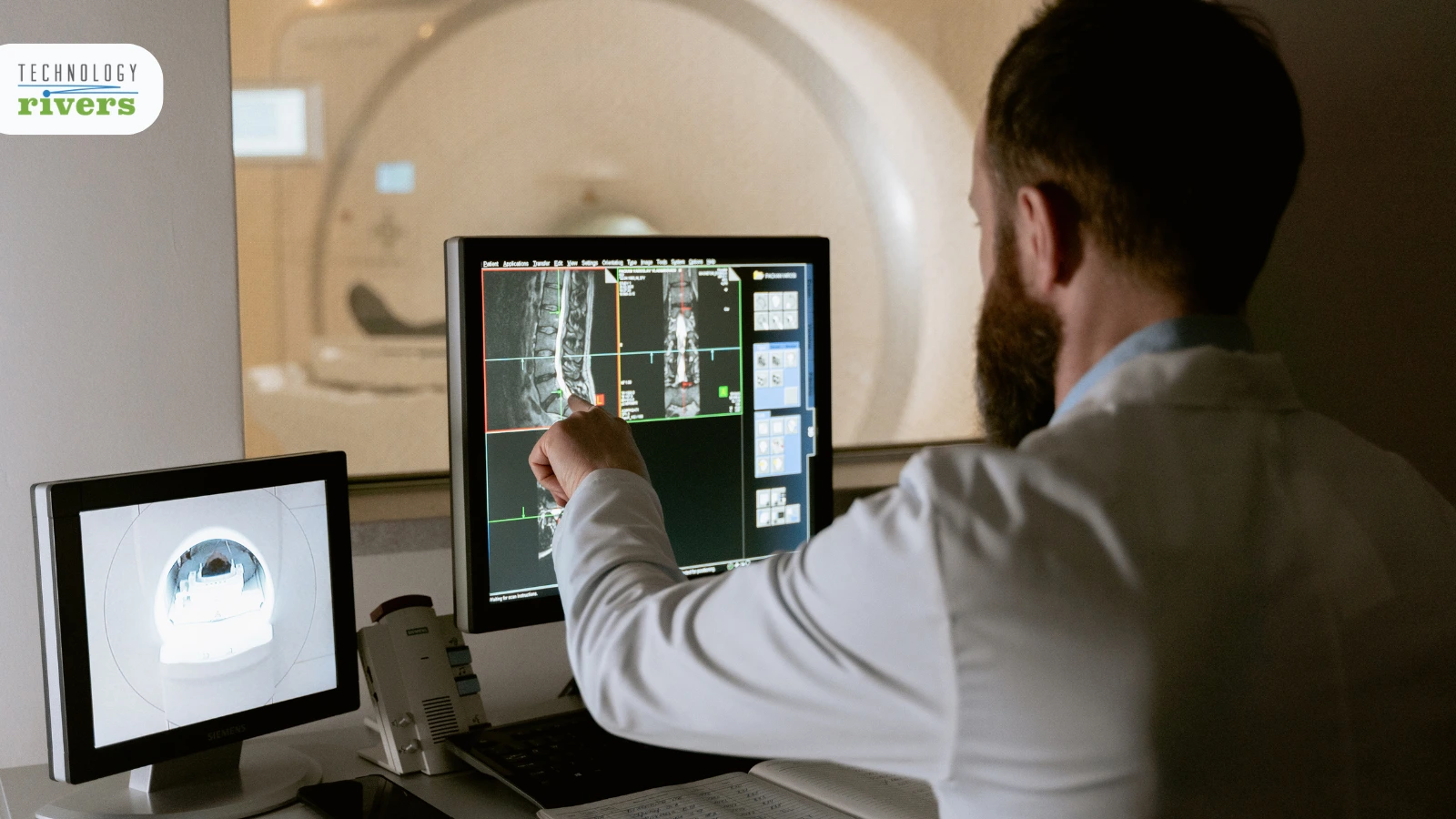
AI is making diagnostics faster and more accurate. Algorithms can analyze medical images like X-rays, MRIs, and CT scans, spotting patterns and abnormalities that humans might miss. By leveraging machine learning, over time, these systems get better at what they do, offering more reliable results.
For instance, the UK’s National Health Service (NHS) launched an £11 million trial to test AI for breast cancer screenings. The technology compares new scans with thousands of old ones, finding potential abnormalities early. This could help radiologists work more efficiently and catch cancers sooner.
Beyond imaging, AI is also being used in pathology, dermatology, and ophthalmology to detect diseases like skin cancer, diabetic retinopathy, and neurological disorders. As these tools improve, they could reduce errors and save lives.
Personalized Treatment Plans
Healthcare is moving away from a one-size-fits-all approach. AI helps by analyzing patient data — like genetic information, medical history, and lifestyle factors — to create tailored treatment plans.
Machine learning can predict how a patient will respond to certain treatments, helping doctors make better decisions. For example, AI platforms can recommend cancer therapies based on a patient’s genetic profile, reducing trial and error. AI tools also help manage chronic conditions by monitoring patient data and adjusting treatments in real time.
By giving doctors data-driven insights, AI is making healthcare more precise and patient-focused.
Faster Drug Discovery
Developing new drugs is slow and expensive, often taking over a decade and billions of dollars to bring a single medication to market. AI is changing that by speeding up the process and cutting costs. Machine learning can analyze chemical compounds, predict how they’ll interact with the body, and identify promising drug candidates quickly.
For example, AI has helped discover new antibiotics that can kill drug-resistant bacteria. It’s also being used to repurpose existing drugs and find treatments for rare diseases. By making drug discovery faster and more accurate, AI is opening the door to new medical breakthroughs.
Simpler Administrative Tasks
AI isn’t just helping with medical care—it’s also making administrative work easier. Tools like voice recognition software can transcribe doctor-patient conversations in real time, so doctors spend less time on paperwork. Chatbots and virtual assistants can answer patient questions, schedule appointments, and provide follow-up care.
In systems like the NHS, where resources are tight, AI could make a big difference. By automating routine tasks, it frees up time for healthcare workers to focus on patients.

Remote Patient Monitoring
AI is also changing how doctors track patients outside of hospitals. Wearable devices and apps with AI algorithms can monitor health data in real time, alerting doctors to potential problems before they get serious.
For patients with chronic conditions like diabetes or heart disease, these tools offer a proactive approach to care. They can spot irregularities, predict complications, and give personalized advice. After surgery, AI monitoring can reduce hospital readmissions by catching warning signs early.
By enabling early intervention, AI-powered monitoring improves outcomes and eases the strain on healthcare systems.
Predictive Analytics for Disease Prevention
Prevention is always better than cure, and AI is helping healthcare shift from treating diseases to preventing them. Predictive analytics uses patient data — like health records, genetic information, and lifestyle factors — to identify risks and recommend early interventions.
For example, AI can predict the onset of conditions like diabetes, heart disease, and Alzheimer’s. By spotting warning signs early, doctors can suggest lifestyle changes or treatments to prevent serious problems.
In public health, during the COVID-19 pandemic, AI helped track outbreaks, optimize vaccine distribution, and identify high-risk groups. As predictive analytics improves, it could make healthcare more proactive and reduce the burden on medical systems.
Challenges and Concerns
While AI and machine learning have a lot of potential, it also comes with significant challenges. One major concern is data security. AI requires a lot of patient data to work, so it’s important to protect that information and follow regulations like HIPAA and GDPR to maintain patient trust and confidentiality.
Another issue is bias. If AI models are trained on incomplete or biased data, they might produce unfair or inaccurate results. To fix this, we need transparency, continuous improvement, and collaboration between tech experts and medical professionals.
Finally, AI should support — not replace — human expertise. Doctors and nurses need to oversee AI tools to ensure they’re used safely and effectively.

Conclusion
AI and machine learning are actively transforming healthcare today. They’re improving diagnostics, personalizing treatments, speeding up drug discovery, and simplifying administrative tasks. Remote monitoring and predictive analytics are helping shift healthcare toward prevention.
But there are challenges, like data privacy, bias, and ethical concerns. To make the most of AI, we need to address these issues carefully. AI should be a tool that helps healthcare workers, not replaces them.
As AI continues to evolve, it will play an even bigger role in healthcare. By embracing innovation and tackling its challenges, we can create a future where technology and human expertise work together to improve lives.
If you’re looking to build an AI-powered healthcare app or software solution, we can help. At Technology Rivers, we specialize in developing custom software that meets your needs. Book a call with us today to discuss your project and see how we can bring your ideas to life.