
In today’s competitive digital landscape, speed, scalability, and budget efficiency are critical when building mobile applications. That’s where cross-platform app development enters the conversation.
For startups, CTOs, and decision-makers evaluating native mobile app vs hybrid mobile app approaches, understanding the benefits of cross-platform development is essential to making informed, cost-effective choices.
In this guide, we’ll break down what cross-platform development means, how it compares to hybrid and native options, the best frameworks available today, and how businesses can benefit from this approach.
What is Cross-Platform App Development?
Cross-platform app development refers to creating mobile applications that can run on multiple operating systems—most commonly iOS and Android—using a single codebase.
This approach allows developers to write code once and deploy it across platforms, significantly reducing development time and cost.
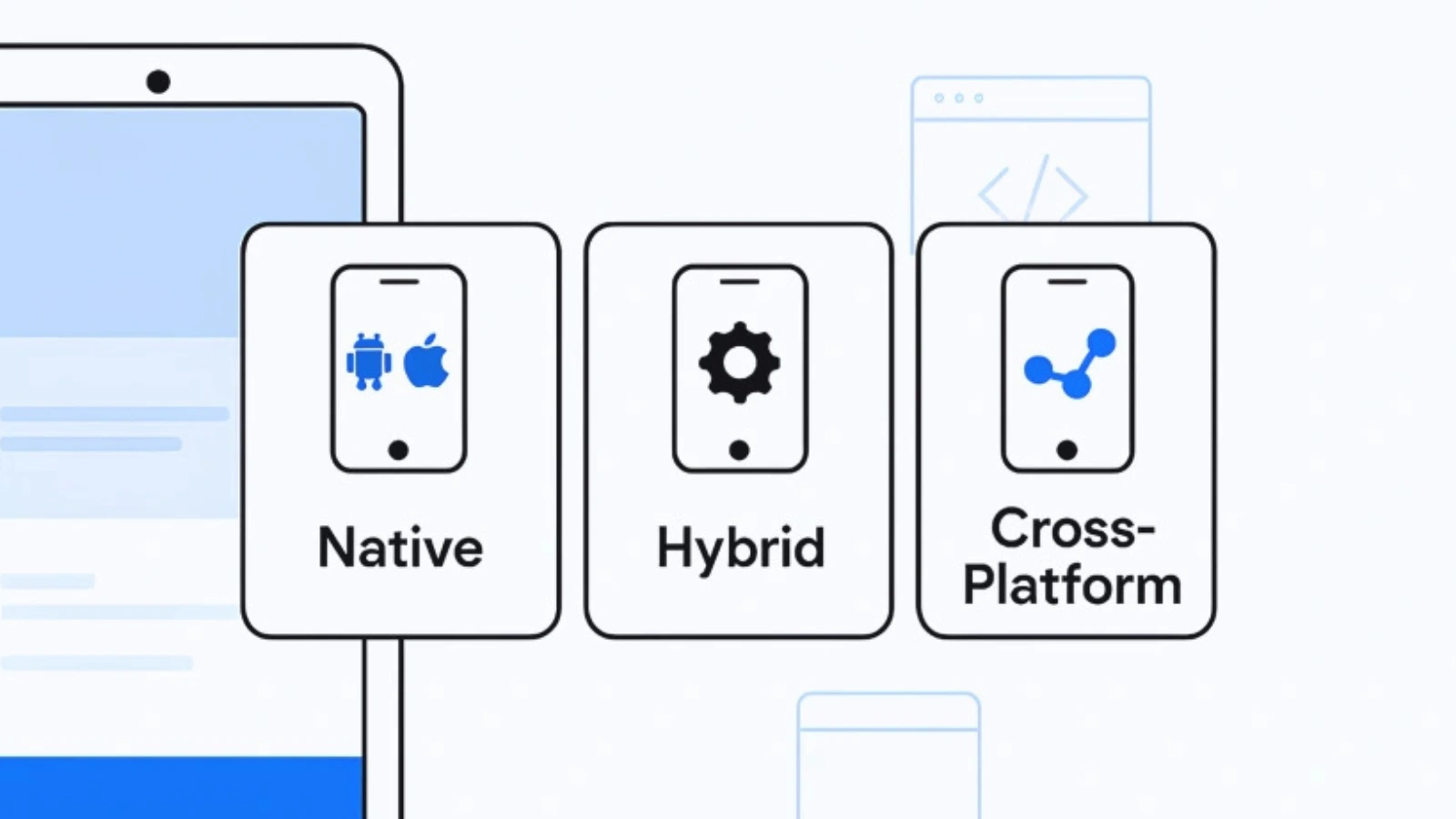
Native vs Hybrid vs Cross Platform: What’s the Difference?
Understanding the distinctions between native, hybrid, and cross-platform development can help you choose the right approach for your project.
| Feature / Criteria | Native App | Hybrid App | Cross-Platform App |
| Codebase | Separate for iOS and Android | Single codebase (web tech) | Single codebase (native rendering) |
| Performance | Excellent | Moderate | Near-native |
| Access to Device Features | Full access | Limited (via plugins) | Full (via plugins or native modules) |
| UI/UX Quality | Best-in-class | Inconsistent | Consistent and modern |
| Development Time | Longer (two teams needed) | Shorter | Short |
| Maintenance | High (multiple codebases) | Simple | Simple |
| Ideal For | High-performance, complex apps | Simple apps, web-to-app conversions | MVPs, startups, cost-conscious teams |
| Examples of Frameworks | Swift, Kotlin, Java | Ionic, Cordova | React Native, Flutter, Xamarin |
If you’re still unsure which path is right for your organization, we dive deeper into the pros and cons in our free on-demand webinar: Native vs. Hybrid: Choosing the Best Approach for Mobile App Development.
This session is perfect for founders, CTOs, and product leaders looking to make informed architectural decisions early in the development process.

Key Benefits of Cross-Platform Development
Cross platform development offers many strategic and technical advantages, especially for growing businesses and startups.
1. Faster Time to Market
With one codebase for both platforms, development cycles are dramatically shortened. This enables teams to release MVPs or updates faster and respond quickly to market changes.
2. Cost Efficiency
Cross platform frameworks reduce the need for separate iOS and Android development teams, lowering the total cost of ownership.
3. Easier Maintenance and Updates
Fix bugs or update features once—and deploy across all platforms simultaneously. This centralization reduces ongoing development workload.
4. Consistent User Experience
Unified UI components ensure that the design and functionality remain consistent across devices, improving user satisfaction and brand experience.
5. Access to Native Features
Thanks to robust frameworks like Flutter and React Native, developers can access device features such as GPS, camera, and accelerometers—without sacrificing performance.

Popular Cross-Platform Frameworks in 2025
Choosing the best technology for mobile app development involves considering both your business goals and technical requirements. Here are top mobile app frameworks for cross platform projects:
Top Cross-Platform Frameworks Comparison
Framework | Type | Programming Language | Best For | Key Strength |
React Native | Cross Platform | JavaScript / TypeScript | MVPs, startup apps, quick-to-market apps | Massive community, native feel |
Flutter | Cross Platform | Dart | Rich UI, fast apps, scalable projects | Beautiful UI, excellent performance |
Xamarin | Cross Platform | C# | Enterprise applications | Strong enterprise integration |
Cordova | Hybrid | HTML, CSS, JavaScript | Simple apps, web-to-mobile conversions | Fast deployment, large plugin ecosystem |
Ionic | Hybrid | HTML, CSS, JavaScript | Progressive web apps, hybrid mobile apps | Web-native UI components, fast prototyping |
Each of these cross platform frameworks offers distinct strengths depending on your project scope, timeline, and team expertise.
Real-World Success: Technology Rivers Projects
At Technology Rivers, we’ve successfully delivered cross-platform solutions for mission-driven organizations across healthcare, education, and logistics.
Example 1: SilverStay
We partnered with SilverStay, a HIPAA-compliant platform that helps patients find short-term assisted living. Built as a cross-platform app, it supports fast deployment and user access on both Android and iOS. This allowed hospitals and case managers to quickly connect patients to care.
Example 2: Tee Time
For Tee Time, a platform that bridges inclusivity through golf, we used cross-platform frameworks to support community-driven features and real-time scheduling. This allowed the team to focus more on mission and less on platform-specific bugs.
How Cross-Platform Aligns with Core Services
At Technology Rivers, we specialize in:
- Custom Software Development: We build scalable, secure applications tailored to your business goals, often using modern cross-platform approaches to streamline delivery.
- Mobile App Development: From MVP to full-scale product, our mobile solutions harness the power of frameworks like Flutter and React Native to reach users faster and smarter.
Our process is agile, HIPAA-compliant when required, and focused on outcomes.
When Is Cross-Platform the Right Choice?
Cross-platform development is ideal for:
- Startups launching MVPs
- Businesses targeting iOS and Android with limited budgets
- Applications that don’t require highly complex native features
- Projects with tight timelines and evolving requirements
However, if your app demands ultra-high performance (like 3D games) or deeply integrated platform-specific features, native development might still be the better route.
Final Thoughts
Cross-platform development offers a practical, cost-effective path for modern businesses to deliver high-quality mobile apps without doubling development effort. It bridges the gap between native mobile app vs hybrid mobile app by offering performance and flexibility.
By leveraging the best technology for mobile app development, such as React Native or Flutter, businesses can reduce risk, accelerate growth, and maintain a strong user experience across devices.
Ready to Build Smarter?
Whether you’re launching a new idea or looking to streamline your current development process, Technology Rivers can help.
✅ Schedule a free strategy session with our expert team
✅ Learn more about our mobile app development services
✅ Or explore our portfolio of successful cross-platform apps here
Contact us today to start your cross-platform journey with a trusted, experienced development partner.