Choosing among wellness app development companies looks simple from the outside: track workouts, guide meditation, log meals. The complexity shows up the moment a wellness product edges toward regulated territory, when a fitness app adds coaching from a licensed provider, a meditation app introduces clinical mental-health features, or a nutrition app starts syncing with an EHR. At that point you are no longer building a consumer app; you are building a health product, and the compliance requirements change underneath you.
This list focuses on companies that build engaging wellness apps and can carry a product across that line into compliant health territory when it needs to.
How We Picked This List
Every company on this list of wellness app development companies had to meet two criteria:
- Real wellness app experience. Fitness, meditation, mental wellness, nutrition, or corporate wellness apps with wearable integration and a track record of consumer engagement, not just generic app work.
- Compliance readiness. The ability to build HIPAA-compliant wellness app development so a product can scale into regulated health features without a rebuild.
Not sure whether your wellness app will ever touch regulated data? Most founders underestimate this until a partner, investor, or insurer asks the question first. Talk to a wellness app team before you lock in an architecture.

1. Technology Rivers
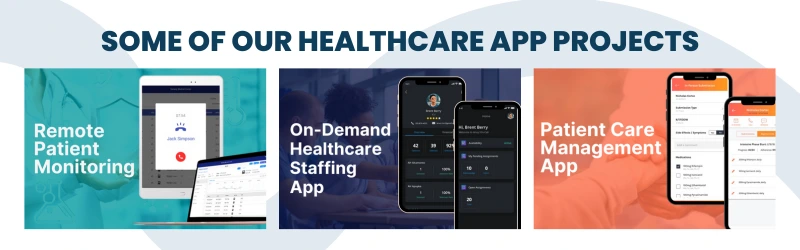
Technology Rivers is a US-based (Reston, VA) healthcare and wellness software company that builds engaging, scalable fitness and wellness apps with HIPAA-compliant, wearable-integrated architecture, so a wellness product can grow into regulated health features (telehealth, provider coaching, clinical data) without re-architecting. Its therapy coaching app, which delivers HIPAA-compliant live video sessions between patients and certified coaches, is exactly the kind of wellness-to-regulated crossover this list is built around.
Best for: Founders building a wellness app that may cross into regulated health territory and want compliance handled before it becomes a problem.
2. TRIARE
TRIARE is a full-cycle wellness and wellbeing app developer covering discovery, UX/UI, development, and long-term support, with a focus on retention, automated wellness workflows, and scaling digital wellness products.
Best for: Teams that want an end-to-end wellness product partner focused on engagement and retention.
3. Latent HQ
Latent HQ specializes in wellness tech, mental health, meditation, fitness, and corporate wellness, with 100+ delivered projects, wearable and health-data integrations, and HIPAA/GDPR/OWASP-compliant builds delivered through managed development pods.
Best for: Wellness brands wanting a wellness-specialist team with built-in compliance and QA.
4. Diversido
Diversido builds secure, scalable wellness and medical apps with HealthKit/Google Fit and IoT device integration, full HIPAA compliance across infrastructure and data flows, and healthcare-grade QA, bridging consumer wellness and clinical use cases.
Best for: Wellness products that need clinical-grade security and device integration from the start.
5. Net Solutions
Net Solutions brings wellness and healthcare experience alongside broader digital product work, including projects requiring HIPAA-aware data handling, a sensible fit for wellness products that sit near the regulated line.
Best for: Wellness products that need strong product design plus compliance-aware data handling.
6. TechEssentia
TechEssentia is a senior, smaller studio that builds fitness and wellness apps end to end, with real experience handling sensitive health data rather than a firm that recently added “fitness” to its site.
Best for: Founders wanting a hands-on senior team for a wellness app with sensitive data.
7. Devlight
Devlight builds healthcare and wellness applications with a focus on patient and caregiver experience, compliant mHealth apps, EHR/telemedicine integration, and user-centric design under HIPAA/HITECH.
Best for: Wellness apps that integrate with provider workflows or telemedicine.
8. Sapphire Solutions
Sapphire Solutions offers full wellness app development, meditation, fitness, nutrition, corporate wellness, with wearable integration (Fitbit, Apple Watch, Garmin), HIPAA-compliant architecture, and startup-friendly pricing.
Best for: Startups wanting feature-rich wellness apps on a tighter budget with compliance built in.
9. Vrinsoft
Vrinsoft develops fitness and wellness apps alongside a broader healthcare practice (telehealth, HL7/EMR integration, RCM workflows), useful when a wellness app is expected to connect into clinical systems later.
Best for: Wellness products with a roadmap toward telehealth or clinical-system integration.
How to Choose a Wellness App Development Partner: What to Check Before You Sign
A polished demo says nothing about whether a wellness app can survive contact with regulated health data. Before you commit, confirm:
- Compliance headroom: Ask whether they build HIPAA-compliant wellness app development that can add regulated features later without re-architecting. Retrofitting compliance is the expensive path.
- Regulatory awareness: Ask how they think about the line between consumer wellness and regulated health data, and whether they design with that shift in mind from the start, not after a feature forces the issue.
- Wearable and health-data integration: Confirm real experience with HealthKit, Google Fit, and wearables. Adding this late usually means rebuilding the backend.
- Engagement and retention: Wellness apps live or die on retention. Ask to see how they design habit loops, not just features.
- BAA when needed: If the product will ever touch PHI or a clinical partner, confirm they will sign a BAA and know when it applies.
Comparison Table: Compliance Readiness, Wearable Integration, Delivery Model
Here is how these wellness app development companies compare side by side:
| Company | Compliance Readiness | Wearable Integration | Delivery Model |
|---|---|---|---|
| Technology Rivers | HIPAA-compliant, signs BAAs, built for regulated crossover | Bluetooth, Apple Watch, Android wearables | Product strategy plus compliant engineering |
| TRIARE | Standard data security, not compliance-specialist | Wearable-integrated wellness workflows | Full-cycle, retention-focused delivery |
| Latent HQ | HIPAA, GDPR, OWASP-compliant by default | Wearables, fitness APIs, health-data platforms | Managed development pods |
| Diversido | Full HIPAA compliance across infrastructure | HealthKit, Google Fit, IoT devices | Healthcare-grade QA, bridges wellness and clinical |
| Net Solutions | HIPAA-aware data handling | Real-time wearable monitoring | Product design plus compliance-aware engineering |
| TechEssentia | Sensitive-data experience, not compliance-first | Apple Health, Google Fit, Garmin, WHOOP, Oura | Senior, hands-on smaller studio |
| Devlight | HIPAA/HITECH compliant | Wearable-adjacent, EHR/telemedicine-focused | Patient and caregiver-centered design |
| Sapphire Solutions | HIPAA-compliant architecture | Fitbit, Apple Watch, Garmin | Startup-friendly pricing, feature-rich builds |
| Vrinsoft | HIPAA-compliant, HL7/EMR practice | Wearable-adjacent, clinical-system focused | Wellness plus broader healthcare practice |
Frequently Asked Questions
Do wellness apps need to be HIPAA-compliant?
Not always. HIPAA applies when you handle protected health information for a covered entity or business associate, and many consumer wellness apps, fitness trackers, meditation apps, nutrition logs, don’t meet that bar.
But specific features can push a product across that line quickly: provider coaching, clinical mental-health tools, EHR syncing. That’s why compliance-aware architecture is worth building in early, even before you’re legally required to have it.
What does wellness app development cost?
It varies with features and integrations. A straightforward fitness or meditation MVP sits at the lower end; adding wearable integration, provider features, or HIPAA-compliant architecture raises it. Scope wearable and compliance work explicitly, and get itemized quotes from at least three vendors.
Should I build a consumer wellness app or a regulated health app?
This isn’t usually an either/or choice at build time, most successful products start consumer-facing and add regulated features later. The real decision is architectural: build the compliance headroom described above from day one, even if you never end up needing it, versus betting you won’t and accepting the rebuild risk if you’re wrong.
How long does it take to build a wellness app?
Timelines commonly run from a few months for a focused MVP to many months for a platform with wearable integration, AI coaching, and compliance work. Integration and compliance are the biggest timeline drivers.
Ready to build a wellness app that won’t need a compliance rebuild in eighteen months? Schedule a free consultation with a team that treats wellness and regulated health as one continuum, not two separate products, exactly the standard to hold anyone to when deciding how to choose a wellness app development partner.