Imagine a world where your smartphone detects early-stage cancer, prevents heart attacks, and diagnoses illnesses with near-perfect accuracy. That’s not science fiction — it’s happening now. AI-powered healthcare apps are transforming the industry and could save $150 billion annually by 2026.
Whether you’re a startup founder or an investor looking for the next breakthrough, these AI-driven apps reveal valuable lessons in innovation, compliance, and scaling in HealthTech.
1. Ada – AI-Powered Symptom Checker
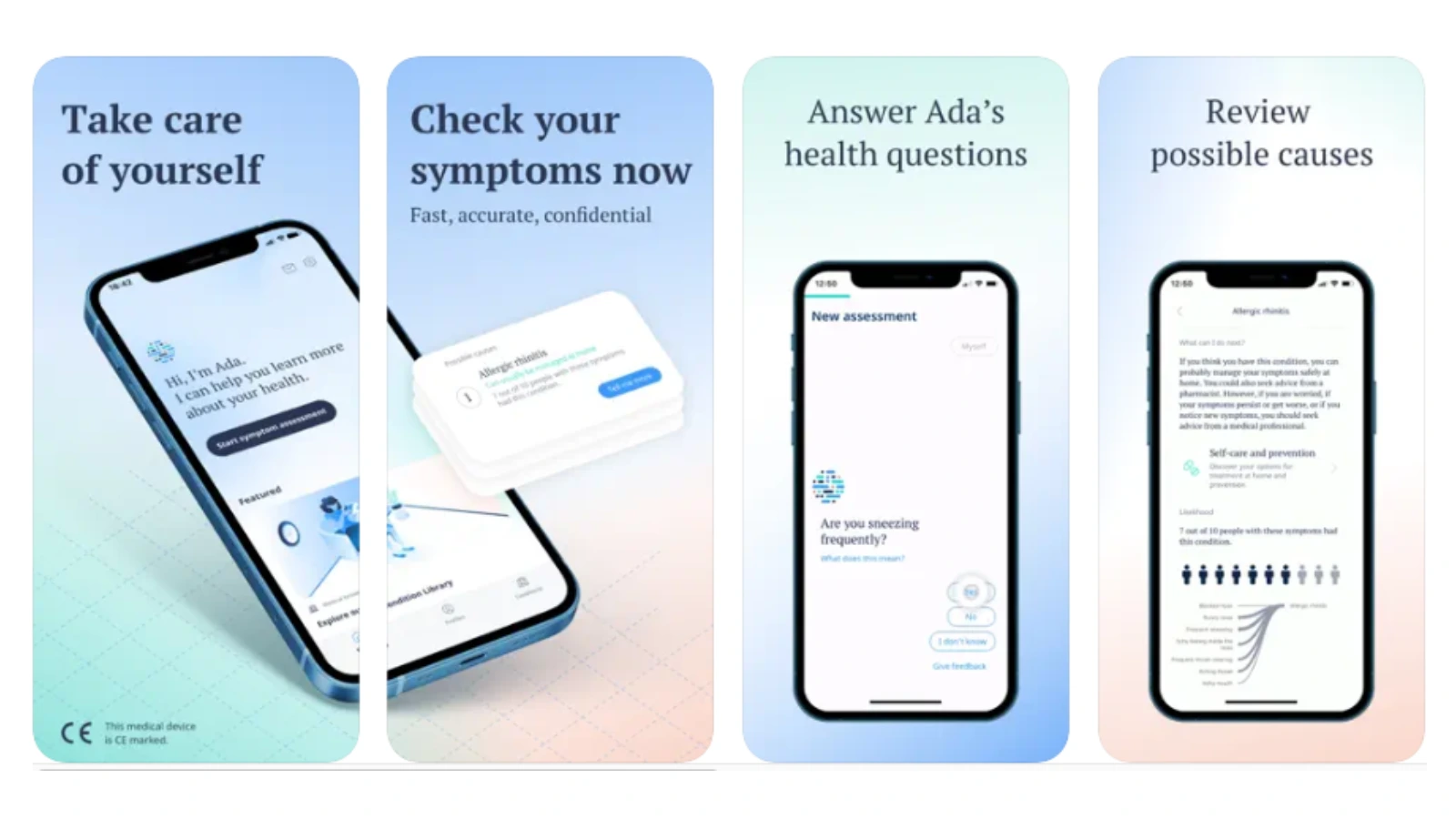
Ada is an AI-powered symptom checker designed to help users assess their symptoms and determine whether medical attention is necessary. By analyzing input in real time, Ada provides personalized recommendations, enhancing patient engagement and reducing unnecessary clinic visits. This AI-driven tool demonstrates the potential for self-diagnosis solutions to lower healthcare costs and improve accessibility.
✅ Key Lesson for Startups: AI-powered symptom checkers can improve healthcare accessibility and reduce clinic visits.
2. Babylon Health – AI & Telehealth Combined
Babylon Health leverages AI and telehealth to provide patients with on-demand medical advice through a chatbot and virtual consultations. By improving accessibility and reducing costs, this AI-powered solution enables more efficient triage and remote healthcare delivery. The company’s success in securing $4.2 billion in funding highlights strong investor confidence in AI-driven telehealth solutions.
✅ Key Lesson for Startups: AI-driven telehealth solutions can increase patient access and reduce costs.
3. Buoy Health – AI Chatbot for Patient Triage
Buoy Health is an AI-powered chatbot designed to help patients determine the appropriate level of care based on their symptoms. By guiding users through a structured assessment, the chatbot reduces unnecessary doctor visits and ensures those in need receive timely medical attention. This technology alleviates strain on healthcare providers while enhancing patient outcomes. With the global AI chatbot market projected to reach $10.7 billion by 2026, the scalability of such solutions is evident.
✅ Key Lesson for Startups: AI-powered triage chatbots can optimize patient flow and reduce healthcare burdens.
4. PathAI – AI for Medical Diagnostics
PathAI leverages artificial intelligence to assist pathologists in detecting cancer and other diseases with greater speed and accuracy. By reducing diagnostic errors and enhancing efficiency, this technology helps healthcare professionals deliver more reliable results while alleviating their workload. AI-powered diagnostics have the potential to revolutionize disease detection, making healthcare more precise and effective.
✅ Key Lesson for Startups: AI-enhanced diagnostics can improve accuracy and speed in disease detection.
5. AliveCor KardiaMobile – AI for Heart Health
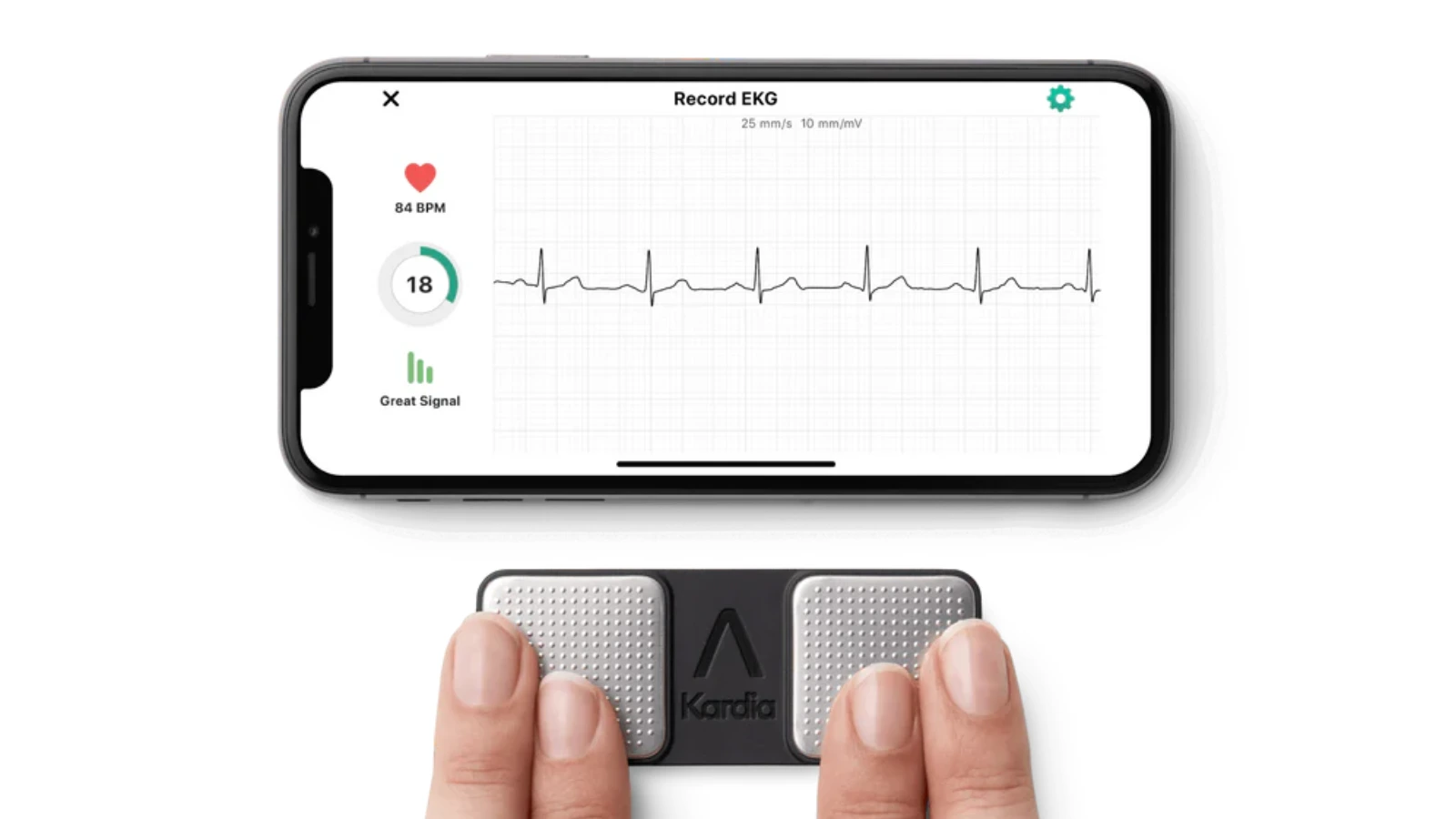
AliveCor KardiaMobile is an AI-powered portable ECG device that enables real-time detection of heart arrhythmias. By offering a convenient and affordable way to monitor heart health, this technology allows users to track their cardiovascular status without requiring frequent clinic visits. AI-driven wearable health solutions like KardiaMobile empower individuals to take proactive control of their heart health while providing healthcare professionals with valuable data for timely intervention.
✅ Key Lesson for Startups: AI-powered wearable devices can enhance real-time health monitoring.

6. Lark Health – AI Coaching for Chronic Disease Management
Lark Health provides AI-powered coaching to help individuals manage chronic conditions such as diabetes, hypertension, and weight loss. By offering real-time support and personalized guidance, this AI-driven platform keeps users engaged and encourages adherence to treatment plans. Its ability to enhance patient retention and promote long-term health management makes it a valuable tool in digital healthcare.
✅ Key Lesson for Startups: AI-driven health coaching can enhance chronic disease management and patient adherence.
7. SkinVision – AI for Skin Cancer Detection
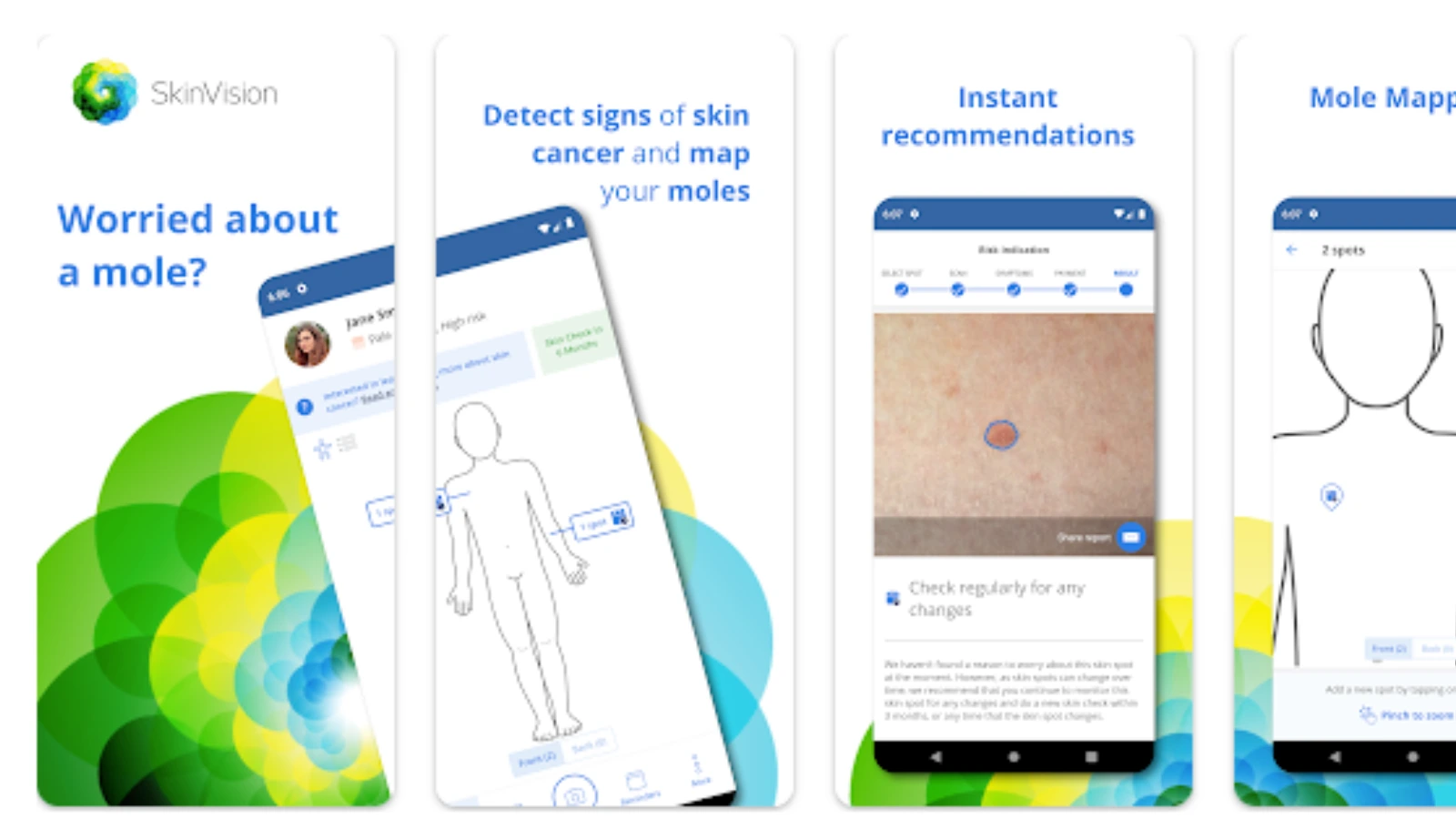
SkinVision uses AI to analyze moles and lesions, helping users identify potential skin cancer risks early. By providing an accessible and convenient screening tool, SkinVision empowers individuals to monitor their skin health without immediate access to a dermatologist. This AI-driven approach enhances early detection, increasing the chances of timely intervention and treatment.
✅ Key Lesson for Startups: AI-based early detection tools can make specialized healthcare more accessible.
8. Sensely – AI Virtual Nurse for Patient Engagement
Sensely is an AI-powered virtual nurse that provides medical guidance and medication reminders, helping patients stay engaged with their treatment plans. By offering continuous support outside of clinical visits, Sensely improves patient adherence and reduces hospital readmissions. This AI-driven solution enhances patient care while easing the burden on healthcare providers.
✅ Key Lesson for Startups: AI-powered virtual assistants can enhance patient engagement and medication adherence.

9. Woebot – AI Mental Health Companion
Woebot is an AI-powered chatbot that provides cognitive behavioral therapy (CBT)-based mental health coaching. By offering accessible, real-time support, Woebot helps users manage their mental well-being without the need for immediate access to a therapist. This AI-driven approach makes mental health care more scalable and cost-effective, meeting the growing demand for digital mental health solutions.
✅ Key Lesson for Startups: AI-driven mental health solutions can provide scalable and cost-effective support.

10. HealthifyMe – AI-Powered Health & Nutrition Coaching
HealthifyMe uses AI to provide personalized meal plans, fitness guidance, and health tracking, making customized health coaching more accessible. By leveraging AI-driven insights, the platform enhances user engagement and supports long-term health goals. This approach ensures individuals receive tailored support without the high costs typically associated with personal coaching.
✅ Key Lesson for Startups: AI-based personalized coaching can drive engagement and retention in digital health solutions.
What HealthTech Founders Can Learn from These AI Apps
AI Creates Competitive Advantage – The best AI-driven healthcare apps don’t just automate tasks — they enhance diagnostics, streamline workflows, and personalize user experiences. Apps that deliver real value see higher engagement and retention.
Compliance Can’t Be an Afterthought – Security and regulatory compliance, like HIPAA, aren’t optional. The most successful AI healthcare apps integrate compliance from the start, avoiding costly roadblocks down the line.
Scalability is Key – AI helps apps scale efficiently, reducing manual effort and operational costs while increasing capacity — an essential factor for both long-term growth and investor interest.
AI is reshaping healthcare, and the startups that harness its power strategically will be the ones leading the industry. Whether you’re launching a new app or optimizing an existing one, these lessons can help you build a product that stands out.
Want to Build an AI Healthcare App? Here’s How We Can Help
Building AI-powered healthcare solutions requires technical expertise, compliance knowledge, and a deep understanding of user needs. That’s where we come in.
✔️ Custom AI Healthcare Development – We design AI-driven applications that meet compliance and scalability needs.
✔️ Investor-Ready MVP Development – Our team builds HIPAA-compliant MVPs that help startups secure funding.
✔️ AI, Machine Learning & Generative AI Expertise – We integrate cutting-edge AI models to enhance diagnostics, automation, and engagement.
✔️ Long-Term Strategic Partnership – We help you scale, iterate, and expand into new markets.
Thinking about building an AI healthcare app? Let’s talk. We specialize in MVP development, AI-powered automation, and investor-ready solutions. Book a strategy call today.