The first version of the app came together surprisingly fast. Screens appeared, flows worked, and the product started to feel real. For a founder or product team under pressure, that kind of momentum is hard to ignore. It is exactly why more businesses are looking at mobile app development services that can move faster with AI-assisted workflows and vibe coding.
But speed creates a dangerous illusion. A mobile app that looks polished in early demos can still have weak architecture, fragile code, poor performance, and major gaps in testing or scalability. What feels like acceleration at the start can turn into rework later if the team treats vibe coding like a replacement for product strategy and engineering discipline.
This article explains where vibe coding actually helps, where it breaks down, and how mobile app development services can use AI-driven speed to accelerate projects without sacrificing quality, maintainability, or launch readiness.
What are Mobile App Development Services?
Mobile app development services include the design, development, testing, and deployment of mobile applications. Modern services now combine traditional engineering with AI-assisted workflows to accelerate development while maintaining quality, scalability, and performance.
What Vibe Coding Means in Mobile App Development
Vibe coding is the fast, AI-assisted style of building software where prompts, generated code, and rapid iteration replace much of the slower manual setup work that teams used to do from scratch. In mobile app development, that usually means using AI tools to generate screens, feature logic, boilerplate code, test cases, or early product flows much faster than traditional methods.
That speed is useful, especially in the early stages of a project. Founders can validate ideas more quickly. Product teams can make rough concepts tangible sooner. Developers can reduce repetitive setup work and focus more on refinement. It is one reason AI-assisted workflows are becoming part of modern delivery models, including more structured mobile app development services.
Still, vibe coding should be viewed as an accelerator, not a full development strategy. It can generate momentum, but it does not replace product thinking, architecture decisions, UX judgment, testing discipline, or release planning. The real value appears when teams know where AI-generated speed helps and where expert review still matters.
Where Vibe Coding Helps Accelerate Mobile App Projects
The biggest advantage of vibe coding is speed at the idea and MVP stage. Teams can move from concept to interface much faster than before. Instead of spending weeks wiring common flows from scratch, they can quickly generate onboarding screens, dashboard structures, form handling, push notification flows, and other standard app components.
That makes vibe coding especially useful for early validation. A startup trying to test a new concept does not always need to wait for a long build cycle before seeing whether the user journey makes sense. AI-assisted development can help the team create something visible and interactive earlier, which improves feedback quality and speeds up product decisions. This is closely aligned with the idea behind AI-driven MVP development.
Vibe coding also helps with iteration. When product teams want to test variations of a screen, revise flows, or experiment with feature ideas, AI tools can shorten the time between concept and implementation. That makes collaboration faster between founders, designers, and developers because ideas no longer stay abstract for long.
It can also reduce repetitive work for engineering teams. Common mobile patterns do not always need to be recreated manually every time. When AI tools handle some of that setup well, developers can focus more energy on the parts that actually differentiate the product.
For teams exploring this shift, how vibe coding transforms software development is a useful related read.
Where Vibe Coding Breaks Down in Real Mobile Product Development
The problem starts when fast output gets mistaken for production-ready software.
A mobile app is not successful because it renders a few screens quickly. It succeeds when it performs reliably, scales cleanly, stays maintainable, supports analytics, handles edge cases, and creates a smooth user experience across real devices and real users. That is where vibe coding often runs into limits.
The first issue is architecture. AI-generated code may work in the moment, but still introduce weak structure, inconsistent patterns, and poor long-term maintainability. That becomes a serious problem once the app grows and multiple developers need to work in the same codebase. Teams that skip foundational planning often discover later that speed at the start created expensive complexity later, which is a pattern covered well in why software projects fail.
The second issue is quality. Mobile apps need real testing across devices, operating systems, screen sizes, connectivity conditions, and user states. Generated code may look functional in one happy-path demo while still breaking under edge cases, poor network conditions, background processes, or unexpected device behavior.
Performance is another common weak point. Fast-generated apps often need deeper engineering work to improve responsiveness, reduce crashes, manage memory, optimize navigation, and support scalable backend interactions. Without that refinement, the app may feel acceptable in a demo and disappointing in actual use.
Security and release readiness matter too. Authentication flows, data handling, third-party integrations, analytics setup, crash reporting, deployment pipelines, and app store submission standards all require attention that goes beyond code generation.
That is why vibe coding is helpful, but incomplete on its own.

Why Mobile App Development Services Still Matter in the AI Era
AI can generate code. It cannot own product outcomes.
That is the difference. Businesses do not hire mobile app development services just to produce screens and logic. They need a partner that can connect business goals, UX, technical architecture, QA, platform decisions, scalability, and launch execution into one delivery process.
This is where experienced teams create real value. They know when to use AI to move faster and when to slow down and review carefully. They can identify weak patterns before they become technical debt. They can challenge feature assumptions, improve usability, align product priorities, and build toward a version of the app that can survive real use after launch.
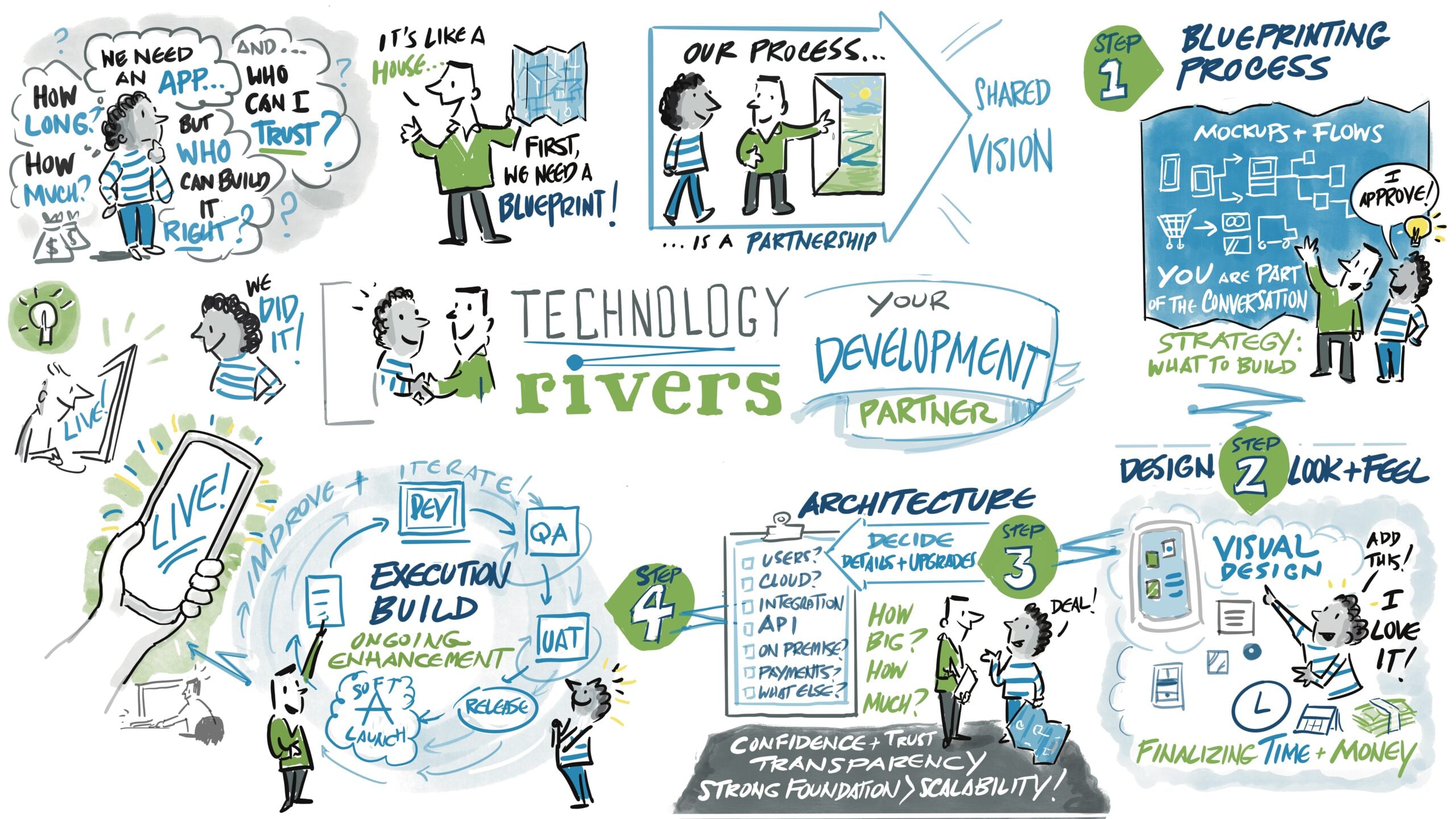
This is also why a structured delivery model matters. Teams that move quickly without discipline usually create more rework. Teams that combine acceleration with clarity tend to ship better products faster.
Businesses still need human judgment in the AI era because software is not just a code-generation exercise. It is a product-building exercise.
Planning a mobile app? Our team can help you move faster without creating rework later. Explore our mobile app development services today.
How the Best Teams Combine Vibe Coding with Real Engineering Discipline
The smartest way to use vibe coding is not to hand the whole project over to AI. It is to apply AI where it genuinely improves speed while keeping experienced humans responsible for the decisions that shape product quality.
It starts with product clarity. Before any app is generated, the team still needs to define the audience, platform priorities, must-have features, user flows, and success criteria. Speed only helps when it is applied to the right target.
Next, AI should accelerate the parts of the project where repetition is high and strategic risk is low. That can include boilerplate code, standard UI elements, rough prototypes, repetitive screens, and internal development support. In the right hands, this shortens timelines without lowering standards.
Then comes expert review. Architecture, security, testing, analytics, performance, app store readiness, and long-term maintainability all need real engineering discipline. This is where professional teams turn raw speed into something stable and launch-ready.
Finally, the app should be built for change. Mobile products evolve. Features shift, user behavior changes, and new priorities emerge after launch. If the codebase is messy from the beginning, every improvement becomes harder. If the foundation is clean, the product can grow without constant rewrites.
That is the balance good teams bring. They combine AI and machine learning expertise with disciplined product delivery and a clear software development process.
A Practical Example: Fast Prototype Now, Expensive Rewrite Later or Ready-to-Scale Product?
Imagine a founder building a mobile app for a new service business. Using vibe coding tools, the team quickly creates onboarding, user profiles, booking flows, and a simple dashboard. Within days, the app looks real enough to demo. Stakeholders are excited. Momentum builds fast.
Then the next phase begins.
The login flow behaves inconsistently across devices. Notifications are unreliable. The backend logic becomes difficult to trace. UX gaps start appearing in real user testing. Analytics are incomplete. App performance slows as more data is added. The code works, but only in a fragile way.
Now the team faces a decision. Keep stacking fixes on a shaky foundation, or bring in a product-focused engineering team to clean up architecture, stabilize the mobile experience, improve maintainability, and prepare the app for real launch conditions.
This is where professional custom software development and experienced mobile app development services make a real difference. Vibe coding may have accelerated the first 20 percent of the journey, but experienced engineers are what turn early momentum into a real product.
The lesson is simple. Speed is valuable when it shortens time to learning. It becomes expensive when it creates technical debt that slows everything down later.

Best Practices for Businesses Using Vibe Coding in Mobile App Projects
If you want to use vibe coding well, treat it like an acceleration layer, not a substitute for engineering discipline.
- Use it for speed where appropriate. Let it help with prototyping, repetitive UI patterns, rough MVP flows, and idea validation. That is where the benefits are strongest.
- Review deeply before scaling. Generated code should be checked for architecture quality, maintainability, security, and performance. That review becomes even more important once real users, real data, and real growth enter the picture.
- Keep platform decisions intentional. A mobile app still needs thoughtful decisions about native vs. cross-platform direction, performance, feature complexity, and release requirements. AI can suggest patterns, but teams still need to choose the right path.
- Prioritize UX early. A fast-built app that confuses users is still a weak product. Good mobile delivery depends on clarity, usability, responsiveness, and trust — not just feature count.
- Test across real conditions. Mobile apps are affected by device differences, connectivity changes, background behavior, and many small variables that AI-generated demos often overlook.
- Choose a partner that understands both speed and production readiness. If your team is trying to move quickly without creating expensive rework, the right mobile app development company can change the outcome.
Speed and Quality Don’t Have to Be a Trade-Off
Vibe coding is changing how teams start mobile projects. It can reduce repetitive work, speed up early validation, and help founders move from idea to interface much faster than before. That is a real advantage.
But fast output is not the same as a successful app.
The mobile products that actually perform well after launch still depend on thoughtful UX, strong engineering, disciplined QA, and architecture that can support growth. That is why the strongest teams do not choose between AI speed and professional delivery. They combine both.
If you want to accelerate your next mobile project without creating technical debt, discuss your mobile app idea with our team.