Integrating AI into healthcare applications presents an exciting opportunity—but also serious compliance responsibilities, especially under HIPAA. Building HIPAA‑compliant AI features requires balancing innovation with strict data safeguards.
As an AWS Consulting Partner and healthcare software development firm based in Virginia/Washington DC, Technology Rivers helps clients develop secure, compliant AI-powered health platforms—from clinical documentation tools to telehealth and medication adherence systems.
Why HIPAA Compliance Matters for AI Development
While HIPAA wasn’t originally designed with AI in mind, its standards around de-identification, auditing, encryption, and access control are non-negotiable—even more so when handling sensitive PHI in data‑driven platforms.
The Department of Health & Human Services (OCR) is now enforcing stricter risk analysis, multi-factor authentication, and data access controls—especially for emerging AI use cases.
Unchecked AI systems that process PHI can expose organizations to penalties ranging up to $2 million per violation, and erode patient trust.

Step‑by‑Step Guide to Building HIPAA‑Compliant AI Apps
1. Define AI Use Cases & Governance
Create AI-specific policies, code of conduct, and training your team on PHI-handling practices. Add oversight mechanisms via an AI Governance Board to manage risks proactively.
2. Choose a HIPAA‑Eligible Infrastructure
Use cloud services with signed BAAs, such as AWS (SageMaker, HealthLake), Azure OpenAI, or specialized solutions tailored to HIPAA workflows.
3. Protect Data at Rest and in Transit
Ensure encryption, access controls, audit logging, and strict data retention policies. Regularly conduct Security Risk Assessments per HIPAA guidelines.
4. De‑identify Training Data Safely
If you’re training custom AI models, apply Safe Harbor or Expert Determination methods. Anonymized data still requires oversight—particularly when AI outputs feed into patient-facing tools.
5. Maintain Traceability & Explainability
Incorporate mechanisms to trace AI outputs back to inputs (e.g. evidence mapping). Also address potential bias and ensure fairness in model behavior, following guidance like FUTURE‑AI’s trustworthiness framework.
6. Validate, Monitor & Iterate
Use continuous testing, error logging, and algorithmic performance reviews. Update your policies and retrain staff as technology and regulations evolve.
Examples from Our Portfolio
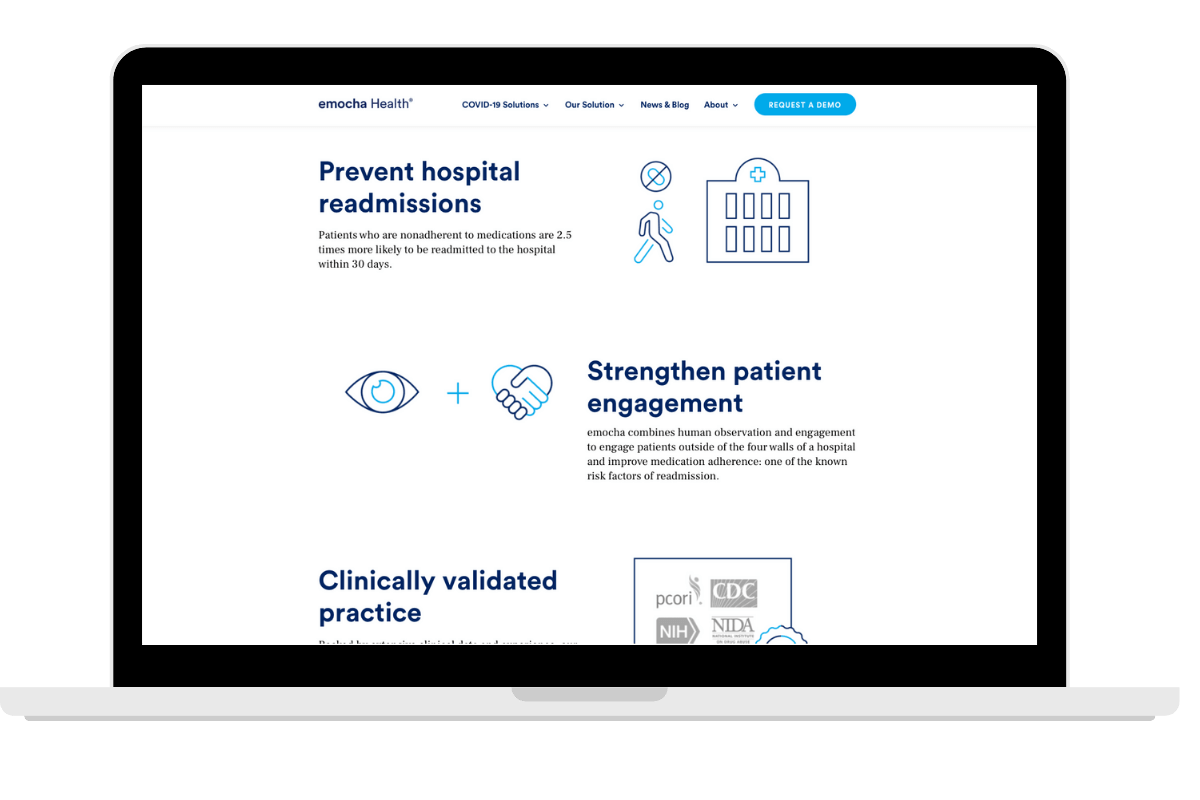
- RPM Platform: We built a Remote Patient Monitoring system allowing provider groups to collect real-time vitals via connected devices. AI-powered alerts were generated while maintaining encryption, access controls, and audit logs.
- Medication Adherence App: In a HIPAA-compliant mobile platform, AI tracks dose behavior and summarizes adherence metrics for clinicians—automatically logged into EHR systems via HL7.
- Telehealth Documentation Solution: A custom telehealth app capturing session transcripts, generating clinical summaries using LLMs, and securing all PHI via roles-based access—fully integrated into an enterprise AWS environment.

Why Trust Technology Rivers to Build HIPAA‑Compliant AI Apps
As an AWS Consulting Partner, we guide clients through the entire AI‑compliant development lifecycle—from design and cloud architecture to BAAs, validation, and scale.
Our healthcare development expertise includes:
- Full HIPAA‑compliant mobile and web apps
- EMR/EHR integration via HL7, FHIR, SMART on FHIR
- Real-time machine learning workflows, AI chatbots, and clinical summarization tools
Additional Resources for Healthcare Tech Teams
- HIPAA Mobile App Development Checklist (Free Download)
- 7 Steps to Developing a HIPAA-Compliant Healthcare App
- Top HIPAA-Compliant Cloud Hosting Options
HIPAA-compliant AI development isn’t a roadblock—it’s a foundation of trust. With the right architecture, governance, and validation, you can deliver powerful AI capabilities that elevate patient care without compromising security or compliance.